Hearing Aid Users Received Additional Benefit in Their Tinnitus Journey with Lenire® Bimodal Neuromodulation Treatment

Lenire and Hearing Aids Research Video Overview
Audiology Online has published data from Hearing Aid Users Received Additional Benefit in Their Tinnitus Journey with Lenire® Bimodal Neuromodulation Treatment. The paper, authored by Dr. Emily E. McMahan A.uD., analyses the benefits Lenire can offer to tinnitus patients with hearing aids. You can read the paper over on Audiology Online or here on the Lenire Blog.
Key Takeaway: While hearing aids are commonly used for the treatment of tinnitus, patients with hearing aids reported additional benefit to their tinnitus after using the Lenire tinnitus treatment device. Based on this data, a recommendation of Lenire by clinicians at the start of a tinnitus care journey may be more beneficial for patients whose primary complaint, or reason for visiting, is related to tinnitus.
Lenire and Hearing Aids | Audiology Online Article
Tinnitus, commonly known as ringing in the ears, is the phantom auditory sensation that affects 10–15% of the adult population1-4. Tinnitus is a symptom of various conditions.
Hearing loss is the leading cause of tinnitus5,6. As a result, fitting hearing aids is one of the most common tinnitus management tools. It is accepted among hearing care professionals that hearing aids can be clinically effective for some tinnitus patients or offer partial relief from tinnitus for many patients7. However, it’s also accepted that a significant proportion of the tinnitus patient population with hearing loss may not experience benefit for their tinnitus from hearing aids8.
Treatment pathways should consider the degree of hearing loss, the patient’s primary health concern (hearing loss or tinnitus), and other related comorbidities.
When a patient presents with both hearing loss and tinnitus, hearing aids are often provided in conjunction with other therapies. These include:
- Cognitive Behavioral Therapy (CBT)9
- Tinnitus Retraining Therapy (TRT)9
- Non-invasive Neuromodulation10,11
This article will examine the real-world outcomes of 214 patients with bothersome tinnitus treated with Lenire® at the Alaska Hearing & Tinnitus Center. Eighty-eight patients were already hearing aid users prior to seeking treatment with Lenire, and 126 were non-hearing aid users (Figure 2).
Bothersome tinnitus was defined in patients by scoring 38 or greater on the Tinnitus Handicap Inventory (THI) at the initial assessment.
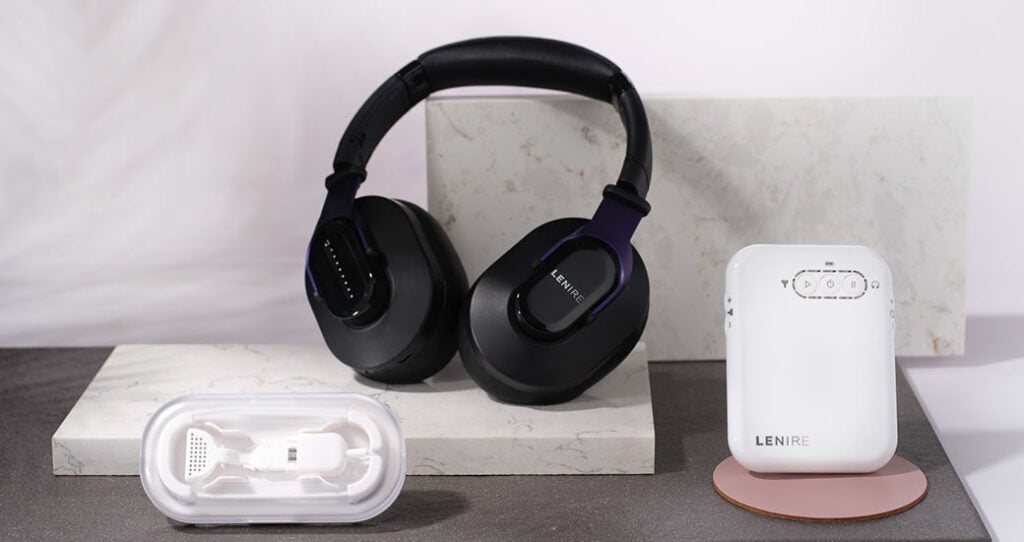
Figure 1. Lenire® tinnitus treatment device.
What is Lenire?
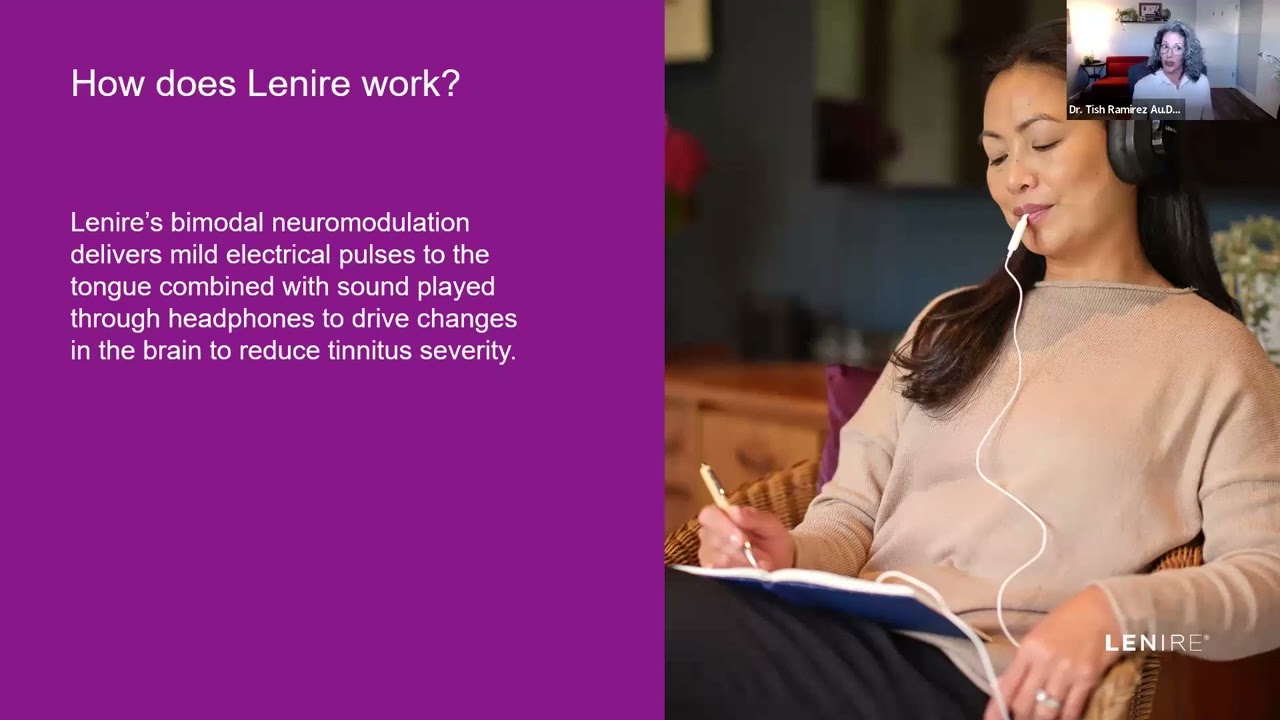
Lenire (Figure 1) is the first and only FDA-approved bimodal tinnitus treatment device. Lenire’s combination of proprietary audio and mild tongue stimulation is clinically proven12-14 to provide relief from bothersome tinnitus. Lenire is available in the United States of America since De Novo FDA Approval in March, 2023.
Lenire consists of three components:
- Lenire Controller: Connects to the wireless headphones and Lenire Tonguetip®. The Lenire Controller allows users to adjust the tongue stimulation and audio volume.
- Lenire Tonguetip: Delivers mild pulses to the surface of the tongue.
- Wireless Headphones: Plays proprietary audio that pairs with tongue stimulation.
Alaska Hearing & Tinnitus Center Lenire and Hearing Aids Results
All 214 patients were fitted with the device by a Lenire-trained audiologist if they met the Alaska Hearing & Tinnitus Center standard of care eligibility criteria at the initial assessment.
Alaska Hearing and Tinnitus advised patients to use Lenire for two 30-minute sessions per day. These sessions could be back-to-back. Patients with hearing aids were advised to take out their hearing aids during treatment. At the initial assessment, all patients were asked if they had used hearing aids within the last 90 days; their responses are shown in Figure 2a.
A review appointment occurred 10–14 weeks after device fitting. During this appointment, patients were asked “Do you find Lenire beneficial to your tinnitus journey?” to which they answered “Yes” or “No”.
As seen in the general tinnitus population, there is a lower number of females than males seeking treatment for their tinnitus (Figure 2b). In line with the demographic of patients beginning their hearing care journey, the majority of patients were between 50 and 70 years of age (Figure 2c).
As a population ages, the number of hearing aid users increases. These results align with published data, which show that the average age of hearing aid owners in the United States is 66 years15.
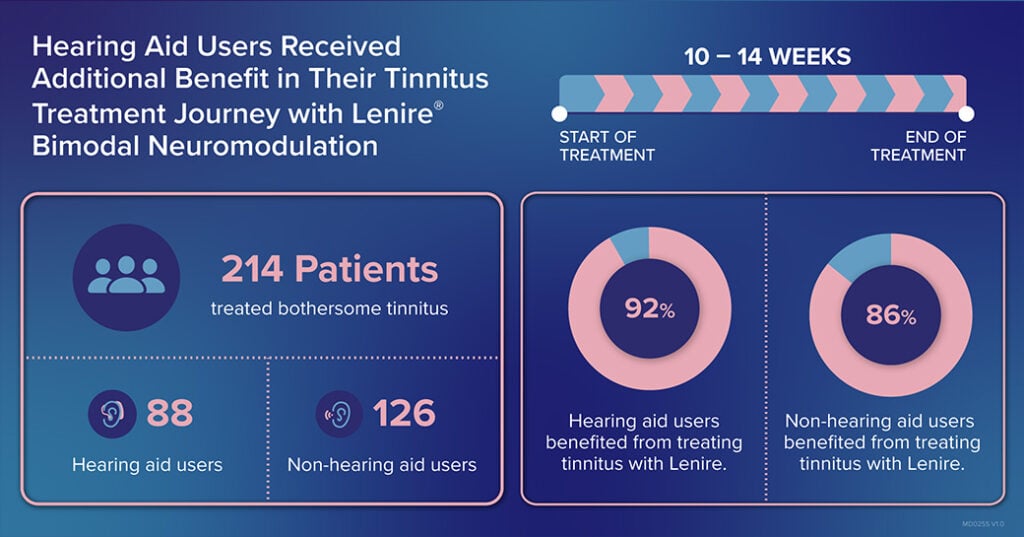
Figure 2. Infographic: Hearing Aid Users Received Additional Benefit in Their Tinnitus Journey with Lenire® Bimodal Neuromodulation Treatment.
Of the 214 patients who returned for assessment, 92% of hearing aid users (Figure 3a) and 86% of non-hearing aid users (Figure 3b) reported that they found Lenire to be beneficial.
This high “Yes” response rate was observed in both groups, regardless of whether a patient was currently using hearing aids.
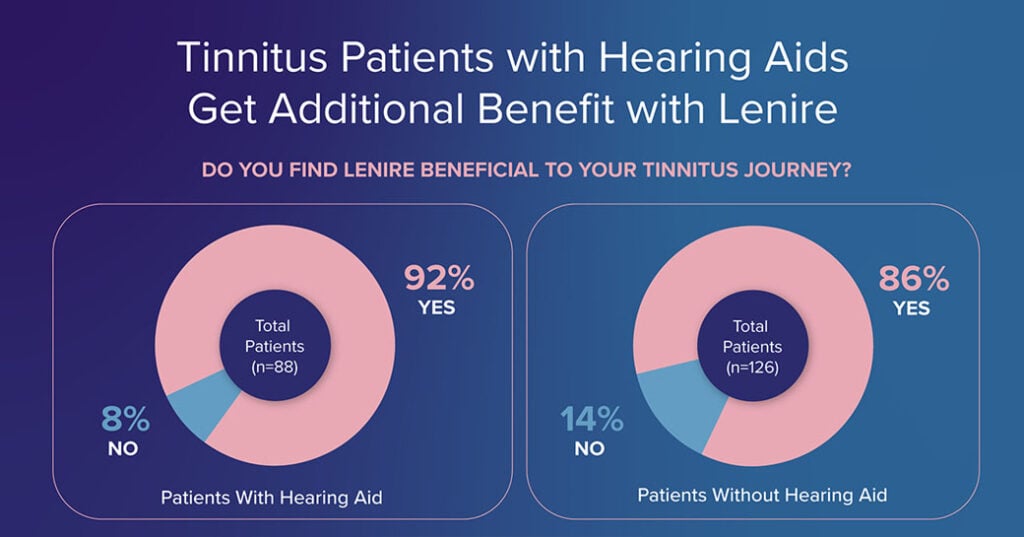
Figure 3. Response to “Do you find Lenire beneficial to your tinnitus journey?” at the 10–14 weeks assessment among a. patients with hearing aids and b. patients without hearing aids.
Where Do Lenire and Hearing Aids Fit in the Tinnitus Care Lifecycle?
Results from the Alaska Hearing & Tinnitus Center suggest that the use of a hearing aid does not impact the treatment efficacy of Lenire.
These results highlight that patients with hearing aids seek additional tinnitus treatment and that patients with hearing aids gain additional benefits from treating tinnitus with Lenire. As a result, recommending Lenire at the start of a tinnitus care journey may be more beneficial for patients whose primary complaint, or reason for visiting, is related to tinnitus.
- Lenire may be more economical for patients who want to treat their tinnitus but are not seeking hearing aids and want to save on purchasing both devices in a short period of time.
- Lenire can provide additional relief to those patients who may have received some tinnitus relief from hearing aids but are still seeking further improvement.
- Lenire can provide a clinically meaningful benefit to patients with hearing aids who may not have benefited from managing their tinnitus with hearing aids.
This real-world evidence data demonstrates how bimodal treatment can be integrated into a patient’s hearing health journey, regardless of their current stage. It also shows that this approach can further alleviate tinnitus beyond the relief provided by hearing aids alone.
As the device is provided by more and more clinics across the United States, the collection and analysis of further real-world data will better inform the optimal tinnitus treatment pathways across different patient populations.
References
- Baguley, D., McFerran, D. & Hall, D. Tinnitus. The Lancet 382, 1600-1607 (2013).
- Biswas, R. & Hall, D. A. In The behavioral neuroscience of tinnitus pp. 3-28. Springer (2020).
- Biswas, R. et al. Tinnitus prevalence in Europe: a multi-country cross-sectional population study. The Lancet Regional Health–Europe 12 (2022).
- McCormack, A., Edmondson-Jones, M., Somerset, S. & Hall, D. A systematic review of the reporting of tinnitus prevalence and severity. Hearing research 337, 70-79 (2016).
- Haile, L. M. et al. Hearing loss prevalence and years lived with disability, 1990–2019: findings from the Global Burden of Disease Study 2019. The Lancet 397, 996-1009 (2021).
- Jafari, Z., Kolb, B.E. &Mohajerani, M.H. Age-related hearing loss and tinnitus, dementia risk, and auditory amplification outcomes. Ageing Research Reviews 56, 100963 (2019).
- Jacquemin, L., Gilles, A. & Shekhawat, G. S. Hearing more to hear less: a scoping review of hearing aids for tinnitus relief. International Journal of Audiology 61, 887-895 (2022).
- Sereda, M., Xia, J., El Refaie, A., Hall, DA., Hoare, DJ. Sound therapy (using amplification devices and/or sound generators) for tinnitus. Cochrane Database Systematic Review 12, CD013094 (2018).
- Grewal, R., Spielmann, P., Jones, S. & Hussain, S. Clinical efficacy of tinnitus retraining therapy and cognitive behavioural therapy in the treatment of subjective tinnitus: a systematic review. The Journal of Laryngology & Otology 128, 1028-1033 (2014).
- Fregni, F. et al. Transient tinnitus suppression induced by repetitive transcranial magnetic stimulation and transcranial direct current stimulation. European Journal of Neurology 13, 996-1001 (2006).
- Shekhawat, G. S., Searchfield, G. D. & Stinear, C. M. Randomized trial of transcranial direct current stimulation and hearing aids for tinnitus management. Neurorehabilitation and Neural Repair 28, 410-419 (2014).
- Conlon, B. et al. Different bimodal neuromodulation settings reduce tinnitus symptoms in a large randomized trial. Scientific Reports 12, 10845 (2022).
- Conlon, B. et al. Bimodal neuromodulation combining sound and tongue stimulation reduces tinnitus symptoms in a large randomized clinical study. Science Translational Medicine 12, eabb2830 (2020).
- Boedts M, B. A., Khoo G, et al. Combining sound with tongue stimulation clinically improves tinnitus symptoms in a controlled pivotal trial. Nature Communications (2024).
- Jorgensen, L. & Novak, M. Factors influencing hearing aid adoption. In Seminars in Hearing pp. 006-020. Thieme Medical Publishers (2020).