Different Types of Tinnitus – Talking Tinnitus with Dr. Sarah Matthews
Tinnitus is often described as a ringing in the ears but there are different types of tinnitus sounds.
Tinnitus can sound like hissing, whooshing, crackling, or pulsing. The condition affects millions of people worldwide. In fact, 15% of the global adult population are impacted by tinnitus. Despite this, many people don’t realize that there are many different types of tinnitus. Each type of tinnitus can have unique causes and treatment pathways.
The majority of people will experience transient tinnitus. This is temporary, and is most commonly noticed as ringing in the ears after a concert or other loud noise exposure. Other people will experience tinnitus as a persistent condition that dramatically impacts their life.
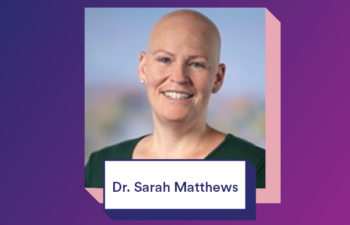
In this “Different Types of Tinnitus” episode of Talking Tinnitus, Dr. Sarah Matthews, an audiologist with over a decade of experience, explained how tinnitus sounds vary.
Dr. Matthews also explains what causes them, and how patients can find the right tinnitus treatment based on their specific type.
- 1. Are There Different Types of Tinnitus?
- 2. What Are The Causes of Tinnitus?
- 3. Different Types of Tinnitus Sounds
- 4. Common Tinnitus Treatments
- 5. Why You Should See a Tinnitus Specialist
1. Are There Different Types of Tinnitus?
Yes. According to Dr. Matthews, there are two main types of tinnitus. Subjective and objective tinnitus.
Subjective vs Objective Tinnitus Explained
The most common type of tinnitus is subjective tinnitus:
“The most common that we see is called subjective tinnitus, meaning that the person experiencing it is the only one who can hear it. About 99% of patients with tinnitus fall into that category.”
The much rarer form is objective tinnitus:
“Objective tinnitus is where somebody else, besides the person experiencing it, can hear the tinnitus. That often comes from some sort of physical part of their body contributing to making the sound.”
There are subtypes of tinnitus within these categories, including somatic tinnitus, pulsatile tinnitus (heartbeat tinnitus sound) and other rare types of tinnitus.
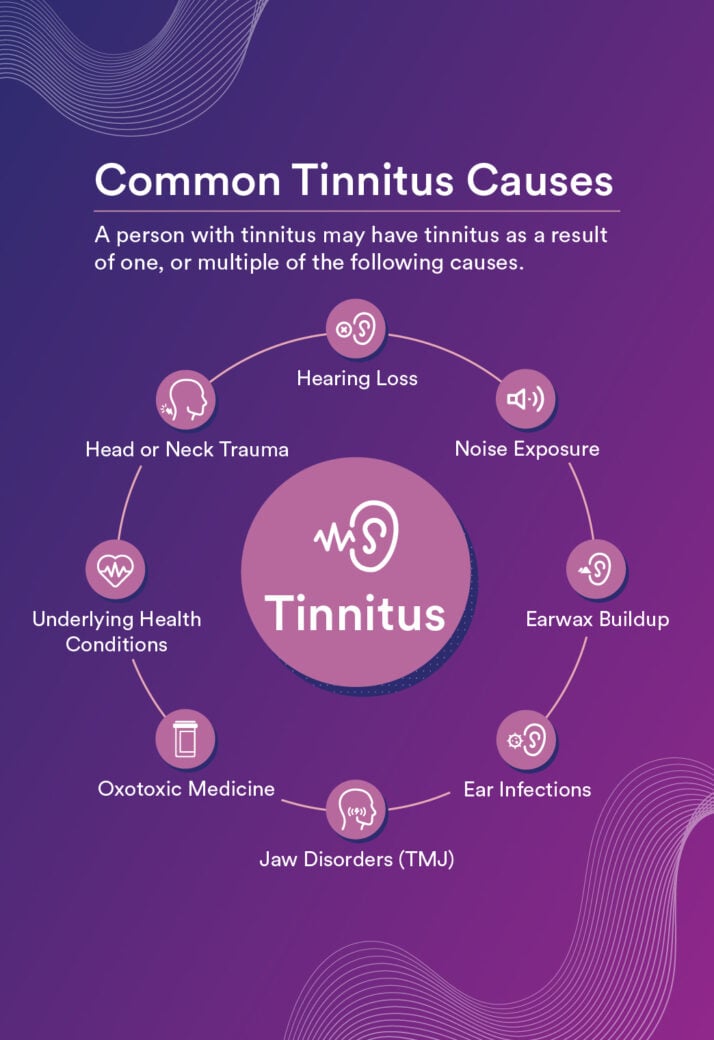
2. Causes of Tinnitus
The causes of tinnitus depend on the type:
Subjective Tinnitus
- Tinnitus from hearing loss
- Tinnitus from noise exposure
- Tinnitus from head injuries
- Tinnitus from stress or anxiety
- Tinnitus from medication
Objective Tinnitus
- Muscular tinnitus causes
- Vascular tinnitus causes including palatal myoclonus or tensor tympani syndrome
Dr. Matthews explains the treatment difference:
“If there’s something physical creating objective tinnitus, there should be something we can physically do to address it—like medical treatment, imaging like an MRI, or even surgery. Whereas with subjective tinnitus, it’s more about strategies to manage and reduce perception.”
Lifestyle choices can impact tinnitus, changing your perception or the sound of tinnitus. This can be fluctuating tinnitus. If the sounds come and go, this is known as intermittent tinnitus.
3. Types of Tinnitus Sounds
Not everyone experiences tinnitus the same way.
- Ringing in the ears tinnitus
- Hissing, whooshing, or crackling sounds
- Pulsatile tinnitus, which “pulses in the same rhythm as the heartbeat”
- Somatic tinnitus can shift in pitch, loudness, or location depending on head, neck, or jaw movement
“What patients experience—how they describe it, what it sounds like, where it’s located—can all shift and change based on the components of what type of tinnitus they have,” says Dr. Matthews.
Understanding how tinnitus sounds to you can help your provider determine which tinnitus subtype you’re dealing with.
4. Common Tinnitus Treatments
The right tinnitus treatment depends on the underlying cause.
Objective tinnitus often requires medical treatment to fix the physical source. Subjective tinnitus focuses on management strategies and clinically proven treatments like:
Cognitive Behavioral Therapy (CBT)
CBT for tinnitus helps patients manage their emotional response to tinnitus. This, in turn, helps patients build better coping skills so they can reduce their tinnitus induced anxiety.

Lenire Tinnitus Treatment Device
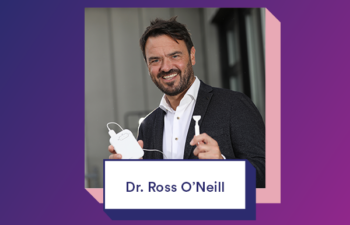
Lenire by Neuromod is the first and only FDA-approved, non‑invasive bimodal neuromodulation device. The device gives relief from tinnitus by retraining the brain’s response to tinnitus.
Lenire stimulates auditory and somatosensory nerves in tandem. Custom audio tones are delivered via Bluetooth headphones. These soothing soundscapes are combined with mild pulses to the tongue using a small Tonguetip.
This dual approach to treating tinnitus helps the brain focus less on the tinnitus noise over time.
Clinical trial data supports Lenire’s effectiveness.
- TENT-A1 Clinical Trial: 80% of patients experienced a significant reduction in tinnitus severity that sustained for at least 12 months.
- TENT-A2 Clinical Trial: 91% of patients reported a significant reduction that sustained for at least 12-months.
- Controlled TENT‑A3 Trial: 70% of patients with moderate or worse tinnitus achieved clinically meaningful improvement with Lenire, compared to minimal changes with sound-only therapy.
- Peer-Reviewed Real World Data: 220 patients showed that 91.5% had significant relief after 12 weeks of treatment. This is consistent with clinical trials.
Patients typically use Lenire at home for two 30-minute sessions per day, for a period recommended by their qualified audiologist.
Hearing Aids for Tinnitus Sound Therapy for Tinnitus
Sound therapy can be an effective way of masking the tinnitus sound. However, perception of tinnitus tends to return once the sound is turned off. Sound therapy for tinnitus can be added to cognitive behavioral therapy, this is known as tinnitus retraining therapy.
For those with hearing loss, hearing aids for tinnitus can help restore hearing to reduce the perception of tinnitus noise.
“For subjective tinnitus, it’s about creating an individualized treatment plan using sound therapy, amplification, cognitive behavioral therapy, mindfulness—all those tools to help reduce the impact,” says Dr. Matthews.
Regardless of the type, the first step is always seeing a qualified tinnitus expert.
Why You Should See a Tinnitus Specialist
Tinnitus can be complex. Sometimes it’s harmless; other times it may signal an underlying medical condition. Dr. Matthews emphasizes:
“A certified tinnitus expert can guide you—do we need medical treatment? Audiological treatment? Should we be concerned if it shifts and changes during the day or with head movement? They can give you clarity and the best next steps.”
Different Types of Tinnitus Sounds | Key Takeaways
- Tinnitus sounds vary—it might ring, hiss, pulse, or shift with movement.
- Causes of tinnitus range from hearing loss and noise exposure to vascular or muscular issues.
- Tinnitus treatment depends on the type—medical treatment for objective tinnitus, and management strategies like CBT or proven treatments like bimodal stimulation for subjective tinnitus.
As with every episode of talking Tinnitus, regardless of whether you have common subjective tinnitus or rare objective tinnitus, you should see a specialist.
A tinnitus specialist can conduct a tinnitus assessment and give you a tinnitus diagnostic. A tinnitus assessment can help you get relief and, importantly, develop strategies to prevent tinnitus getting worse.
If you want to schedule a tinnitus appointment, you can find a tinnitus clinic near you using our Find a Clinic Map.