Introduction to Tinnitus – Talking Tinnitus with Dr. Beth Field
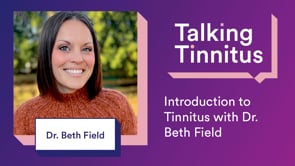
Introduction to Tinnitus – What is Tinnitus?
If you have been to a concert or an event with loud noise, you may have experienced noise in the ears when there is no external sound. This is known as tinnitus.
The majority of people will experience short term tinnitus. This type of tinnitus typically resolves after 48 hours. For others, tinnitus can be a permanent, life-altering condition.
- Did you know? 15% of the global adult population lives with tinnitus.
Dr. Beth Field, Neuromod Technical Support Audiologist, joins today’s Introduction to Tinnitus episode of Talking Tinnitus. Dr. Field answers introduction to tinnitus questions such as what exactly is tinnitus? What causes tinnitus? How do I treat tinnitus? And many more burning tinnitus questions.
“Tinnitus is the perception of sound when there isn’t an environmental sound present. So there’s brain activity in the hearing center of the brain that is processed as sound, but it actually isn’t sound.” according to Dr. Field.
For many, tinnitus is the brain’s way of signaling that the hearing system has become less responsive to external sounds. This can be linked to hearing loss, noise exposure, or other auditory damage. There are many types of tinnitus and tinnitus causes.
- 1. Types of Tinnitus
- 2. What Causes Tinnitus?
- 3. What Does Tinnitus Sound Like?
- 4. Where Can I Get Help for Tinnitus?
- 5. What Are the Best Tinnitus Treatments?
- 6. Does Lenire Work to Treat Tinnitus?
1. Types of Tinnitus
Tinnitus is not the same for everyone. Understanding the type of tinnitus you have can help guide the right treatment.
1. Subjective Tinnitus
Subjective tinnitus is the most common type of tinnitus, making up 99% of cases. Only the person experiencing it can hear the tinnitus sound.
Subjective tinnitus is usually caused by auditory system issues. These issues include hearing loss, noise-exposure hearing damage, or age-related changes.
“Most cases are this subjective type of tinnitus typically related to damage in our auditory system that can’t be quickly resolved through medication or surgery.”
2. Objective Tinnitus
Objective tinnitus is a rare form of tinnitus in which a healthcare provider can also hear the tinnitus sound during an examination. It’s often linked to muscle contractions, vascular conditions, or middle ear bone changes.
3. Pulsatile Tinnitus
Pulsatile tinnitus is identified by rhythmic whooshing or pulsing sounds, often in sync with your heartbeat. It is usually caused by a medical or vascular condition and may be treatable with surgery or medication.
“Pulsatile tinnitus usually is related to a physical condition that can be treated medically and resolved either through medication or surgery.”
Pulsatile often signals a potentially dangerous underlying condition. See a healthcare professional if you notice pulsatile tinnitus.
Want to learn more about Pulsatile Tinnitus? Watch the Pulsatile Tinnitus episode of Talking Tinnitus with Dr. Gail Brenner.
2. What Causes Tinnitus
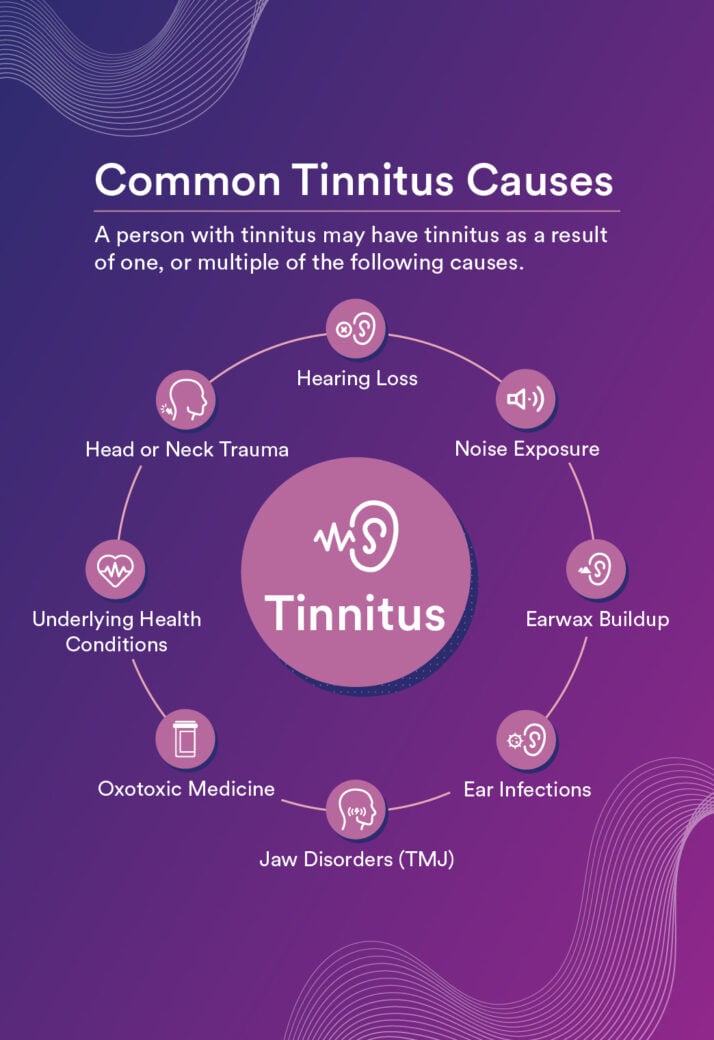
Rather than a treatable medical condition, tinnitus is most often caused by changes in the auditory system. The connection between hearing loss and tinnitus is undeniable as the majority of patients have some kind of hearing loss.
Leading causes of tinnitus include:
- Noise-induced tinnitus (e.g., concerts, fireworks)
- Aging-related hearing decline
- General hearing loss
- Loud noise exposure
- Underlying health conditions
- Earwax buildup or blockages
- Ototoxic medications
- Head or neck injuries
Stress is a common issue for those living with tinnitus. Stress can also worsen the perception of tinnitus.

3. What Does Tinnitus Sound Like?
Tinnitus is most commonly known as ringing in the ears. In fact, when people need treatment, they mostly search for the best tinnitus treatments for ringing ears or how to stop ringing ears. However, tinnitus can sound different from person to person.
“For many, tinnitus sounds like ringing. But I’ve had one gentleman who told me his tinnitus sounded like a train whistle. Other people, it can sound like crickets chirping, or even a static or whooshing sound.”
Common tinnitus sounds include:
- High-pitched ringing in the ears
- Hissing or static noise in the ears
- Chirping or cricket sounds in the ears
- Whooshing or rushing air in the ears (pulsatile tinnitus)
- Buzzing tones
4. Where Can I Get Help for Tinnitus?
If you have bothersome tinnitus that is disrupting your life, seek advice from an experienced tinnitus practitioner or audiologist. As Dr. Field emphasizes:
“If you are one of the fifteen percent experiencing tinnitus that is causing a disturbance in your life, you should speak to a tinnitus expert sooner rather than later.”
A tinnitus professional can perform a full tinnitus assessment which can:
- Assess the type and severity of your tinnitus
- Explain evidence-based tinnitus treatment options
- Help you find a tinnitus treatment plan that fits your tinnitus and your lifestyle
5. What Are The Best Tinnitus Treatments?
While no cure for tinnitus ringing exists (or other tinnitus sounds), the best tinnitus treatments are those that combine proven therapies with individualized care. These may include:
- Lenire® bimodal neuromodulation (FDA-approved, clinically-proven)
- Hearing aids with tinnitus sound therapy programs
- Cognitive Behavioral Therapy (CBT) for tinnitus distress
- Sound therapy and masking devices
- Relaxation and mindfulness training
- Tinnitus retraining therapy (TRT)
When seeking tinnitus treatment, it is important to get guidance from a qualified tinnitus care professional. They will assess your tinnitus and share information about clinically proven tinnitus treatments for relief.
If you are looking for information about tinnitus, it is best to go to authoritative sources like the American Tinnitus Association or Tinnitus UK. These organisations are staffed by some of the brightest minds in the tinnitus space with helpful tinnitus resources.

6. Does Lenire Work to Treat Tinnitus?
Lenire® is the first and only FDA-approved tinnitus treatment that uses bimodal neuromodulation. Bimodal neuromodulation combines gentle tongue stimulation with sound therapy to help retrain the brain’s auditory system to ignore tinnitus.
Lenire, an at-home tinnitus treatment device, is available through certified hearing care professionals in the USA and Europe.
- Real World Patients: Lenire tinnitus real world evidence and patient success stories.
Clinical trials and real-world patient evidence show that Lenire can significantly reduce the severity and impact of tinnitus for many patients.
- TENT-A1 Clinical Trial: 80% of patients reported a significant reduction in tinnitus severity that sustained for at least 12 months. This clinical trial was the cover story in Science Translational Medicine.
- TENT‑A2 Clinical Trial: 91% of TENT-A2 participants reported tinnitus relief that sustained for at least 12-months. Nature – Scientific Reports peer-reviewed and published TENT-A2.
- TENT-A3 Controlled Tinnitus Clinical Trial: 70% of patients with moderate or worse tinnitus had clinically meaningful relief from tinnitus with Lenire’s bimodal stimulation, compared with no significant improvement from sound-therapy, the trial’s control. TENT–A3 was a controlled clinical trial. Nature Communications peer-reviewed and published the results of TENT-A3.
- Peer Reviewed Real World Data: 91.5% of 220 patients treated with Lenire at Alaska Hearing and Tinnitus Center reported significant relief from tinnitus. Nature Communications Medicine peer-reviewed and published this real world evidence.
Unlike masking devices or simple sound generators, Lenire targets the root neural activity contributing to tinnitus.
Introduction to Tinnitus? Key Takeaways
- Tinnitus is the perception of sound without an external source.
- Tinnitus affects 15% of the global adult population.
- Tinnitus can sound like ringing, whooshing, static, crickets and many more sounds.
- Lenire is an FDA-approved tinnitus treatment device with proven results in clinical trials and real-world use.
- The best tinnitus treatments are customized, combining technology, therapy, and expert care.
- Early assessment by a tinnitus specialist can improve your outcome.
- If you are seeking additional advice or helpful resources, visit The American Tinnitus Association or Tinnitus UK.
The Introduction to Tinnitus episode of Talking Tinnitus ends with a familiar message. If you are struggling with tinnitus, you should book a tinnitus assessment with a qualified tinnitus care provider.
You can find an expert tinnitus clinic near you by visiting Lenire’s Find a Clinic Map.