Common Tinnitus Issues – Talking Tinnitus with Dr. Gail Brenner
Dr. Gail Brenner of the Tinnitus Treatment Center of Philadelphia joins Neil Doyle on Talking Tinnitus to explore what triggers tinnitus and what you can do about it. You can watch the Common Tinnitus Issues video above to hear Dr. Brenner’s professional opinion or you can keep reading for a breakdown.
- 1. Causes of Tinnitus?
- 2. Tinnitus Quality of LIfe
- 3. Tinnitus Related Conditions
- 4. Effective Tinnitus Treatments
- 5. Managing Tinnitus Daily
- 6. When to Seek Help
- 7. Lenire Tinnitus Treatment Device
What is Tinnitus?
Tinnitus is a condition where a person hears persistent ringing, buzzing, hissing, or whooshing in the ears without an external source of sound.
According to Dr. Gail Brenner, Founder of The Tinnitus Treatment Center Philadelphia, these common tinnitus symptoms are more prevalent than many realize and can range from mild to debilitating.
“For those who are disturbed by their tinnitus, they do not have to continue being disturbed – there is help,” says Dr. Brenner.
Tinnitus typically falls into two types – objective tinnitus and subjective tinnitus.
- Objective Tinnitus is tinnitus that your doctor can measure during an exam. This type of tinnitus is rare.
- Subjective Tinnitus is tinnitus that only the person with tinnitus can hear. This is the most common type of tinnitus, accounting for 99% of cases. There is no objective measure for subjective tinnitus.
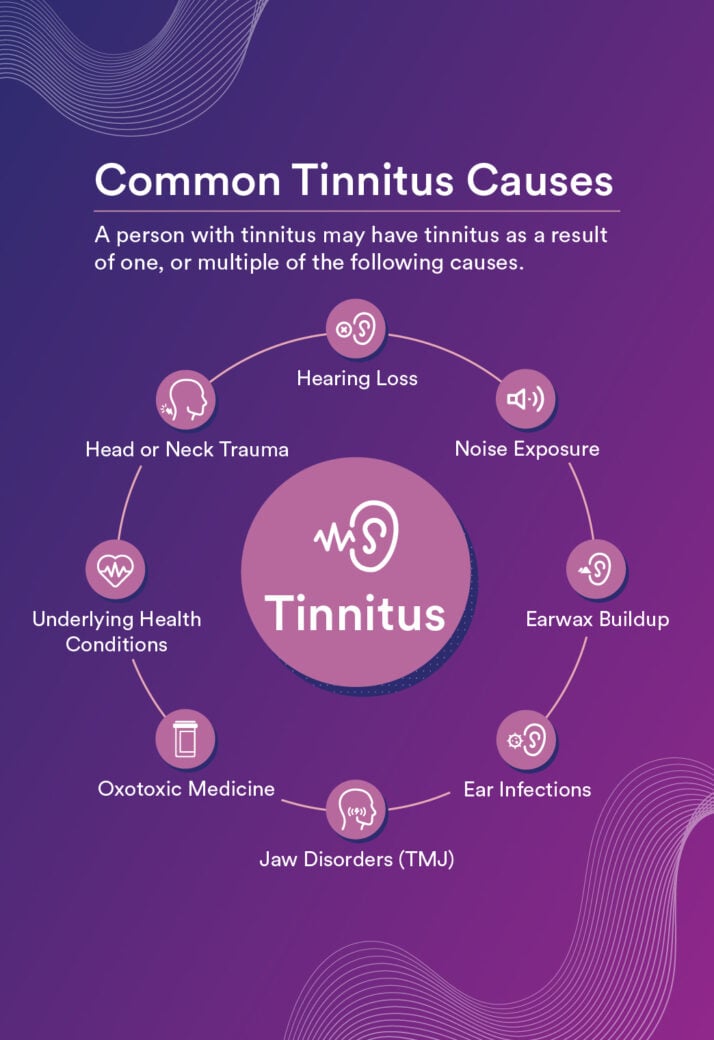
1. What Causes Tinnitus? Common Tinnitus Issues
There are many causes of tinnitus. Here are the most common tinnitus issues and common causes of tinnitus, including:
- Age-related hearing loss
- Prolonged exposure to loud noise
- Ear infections or wax blockages
- Certain medications (known as ototoxic drugs)
- Head or neck trauma
- Jaw disorders (TMJ)
- Underlying health conditions like high blood pressure
2. Tinnitus Quality of Life Impact
Beyond the irritation of tinnitus, Dr. Brenner highlights the many emotional and mental health issues:
- Difficulty sleeping
- Anxiety
- Reduced concentration / focus
- Performance issues at work
- Increased anxiety and irritability
- Depression
- Social withdrawal
- Loss of agency
Dr. Brenner emphasizes that tinnitus doesn’t just affect the ears — it impacts the brain and emotional well-being.
“We see tinnitus patients who tend to want to isolate, who have lost that zeal for life,” says Dr. Gail Brenner.
3. Tinnitus Related Conditions
It’s common for tinnitus to show up alongside other conditions. For example, the majority of people with tinnitus also have some degree of hearing loss.
Another thing that comes up for about half of people with tinnitus is a lower tolerance to sound. This can show up in a couple of ways:
- Hyperacusis: This is when everyday sounds seem much louder than they should. It’s not just annoying; it can be painful. It’s about the actual volume of sound being too much.
- Misophonia: Misophonia is not about how loud a sound is, but how you react to specific sounds. Certain sounds can trigger a strong negative response. It’s more about the perception of the sound than its volume.
These conditions can make living with tinnitus even more complicated, highlighting why a personalized approach to care is so important.
Effective Tinnitus Treatments
Hearing healthcare professionals can recommend a treatment option once the underlying cause of tinnitus and severity has been learned. Here are some potential treatment pathways.
a. Tinnitus Retraining Therapy (TRT)
TRT combines counseling with low-level sound therapy to help your brain gradually ignore tinnitus signals.
b. Cognitive Behavioral Therapy (CBT)
CBT for tinnitus helps patients manage their emotional response to tinnitus and build better coping skills.
c. Bimodal Neuromodulation
Lenire is the only commercially available bimodal neuromodulation tinnitus treatment device. The US FDA granted Lenire De Novo Approval making it the first and only FDA Approved tinnitus treatment device of its kind.
Lenire’s bimodal stimulation combines soothing audio delivered via customized Bluetooth headphones with mild pulses are applied to the surface of the tongue using a small intra-oral Tonguetip.
This approach has been proven to provide relief from tinnitus in clinical trials and with real world patients. More on that later.
d. Sound Therapy and Hearing Aids
For people with hearing loss and tinnitus, amplification devices, such as hearing aids for tinnitus, can help restore hearing and reduce the perception of ringing..
5. Managing Common Causes of Tinnitus Daily
There are practical strategies for daily tinnitus management:
- Avoid loud environments or wear ear protection
- Reduce caffeine and alcohol (which can worsen symptoms)
- Try to keep a consistent sleep routine
6. When to Seek Professional Help
“There is so much that can be done to help tinnitus patients, so they can reclaim their lives,” advises Dr. Brenner.
If your tinnitus is:
- Persistent for more than a few weeks.
- Affecting sleep, work, or relationships.
- Accompanied by sudden hearing loss or dizziness.
- Pulsing in time with your heartbeat.
…it is time to see a specialist. If you’re struggling with tinnitus, you should see an audiologist with speciality in treating people with tinnitus. An audiologist can help you understand your tinnitus.
They will work with you to create a custom treatment plan to help you get relief from tinnitus and get back to living your life fully.
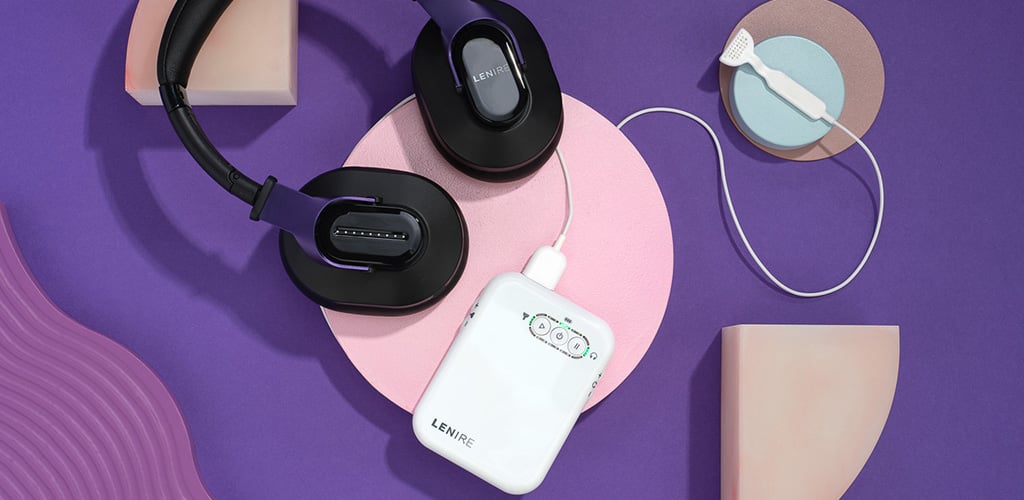
7. Lenire Tinnitus Treatment Device
Lenire is the first and only FDA-approved, non‑invasive bimodal neuromodulation device. The device gives relief from tinnitus by retraining the brain’s response to tinnitus.
Lenire works through stimulation of the auditory and somatosensory nerves. Audio tones are delivered via customized Bluetooth headphones. This is combined with mild pulses to the surface of the tongue using a small intra-oral Tonguetip.
This dual approach helps the brain focus less on the tinnitus noise over time.
Clinical trial data support Lenire’s effectiveness.
- In the TENT‑A1 trial, approximately 80% of patients experienced a significant reduction in tinnitus severity that lasted at least 12 months.
- In TENT‑A2, around 91% of participants saw sustained relief.
- In the controlled pivotal TENT‑A3 trial, 70% of patients with moderate or worse tinnitus achieved clinically meaningful improvement with Lenire, compared to minimal changes with sound-only therapy.
- Real-world data from over 220 patients also showed that 91.5% had significant relief after 12 weeks of treatment.
Patients typically use Lenire at home for two 30-minute sessions per day, for a period recommended by their qualified audiologist.

Common Tinnitus Issues Final Thoughts
15% of the global adult population live with tinnitus, so you don’t have to face it alone. Dr. Brenner and her team at the Tinnitus Treatment Center Philadelphia provide personalized care rooted in science and empathy.
Not living near Philadelphia? Use Lenire’s Find a Clinic Map to find a tinnitus care professional near you.
As with every episode of Talking Tinnitus, we recommend speaking to a hearing care professional with expertise in tinnitus.