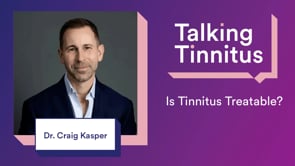
Is Tinnitus Treatable? Talking Tinnitus with Dr. Craig Kasper
- What is Tinnitus?
- Is Tinnitus Treatable?
- Common Tinnitus Treatments
- Patient Quality of Life Improvements
- Lenire Tinnitus Treatment Device
Living with tinnitus can feel overwhelming, but according to leading audiologist Dr. Craig Kasper, “tinnitus is definitely treatable.”
In the Is Tinnitus Treatable episode of Talking Tinnitus, Dr. Kasper, New York Hearing Doctors Owner, shared valuable insights into the latest tinnitus treatment options and how patients can find real relief.
What is Tinnitus?
Tinnitus, which is commonly heard as ringing in the ears, is when a person hears persistent noise when there is no external source of sound.
- What does tinnitus sound like? While ringing is the most common sound, tinnitus can also sound like whooshing, buzzing, hissing and other sounds.
It is estimated that 15% of the global adult population is currently living with tinnitus. Tinnitus typically falls into either objective tinnitus or subjective tinnitus.
- Objective Tinnitus is a rare type of tinnitus that your doctor can measure during an appointment. This type of tinnitus is rare.
- Subjective Tinnitus is tinnitus that only the person with tinnitus can hear, accounting for 99% of cases. There is no objective measure for subjective tinnitus at present.
Many patients will be told there is nothing that can be done for tinnitus but Dr. Craig Kasper strongly disagrees with this.
2. Is Tinnitus Treatable? (Spoiler: It Is)
Despite common misconceptions, tinnitus is not something you just have to “just get used to”. As Dr. Kasper explains,
“Despite what some healthcare providers or the internet might tell us, tinnitus is definitely treatable. There’s so many different things we can do, but it’s really important to understand each individual patient and their needs before determining the best treatment pathway.”
The first step is always a comprehensive medical evaluation to rule out any underlying conditions. An example of this could be a heart condition that
Once cleared, visiting a certified tinnitus specialist can open the door to a wide range of management strategies tailored to each patient’s needs.
Now that Dr. Kasper has established that tinnitus is, in fact, treatable, let’s have a look at some common tinnitus treatment options.
3. Common Tinnitus Treatment Options
Tinnitus often stems from hearing loss or can be made worse by factors like stress, poor sleep, and anxiety. That’s why an effective treatment plan is holistic, targeting multiple areas of well-being.
Dr. Kasper outlines several evidence-based tinnitus therapies:
a. Education & Counseling
“Education truly is power,” says Dr. Kasper. Simply understanding what tinnitus is and how it works can “take the edge off for a lot of patients.”
An audiologist who is experienced in treating tinnitus patients will understand their role as a counsellor is vital. Understanding can help a person’s brain more receptive to treatment options, such as cognitive behavioural therapy.
b. Tinnitus Retraining Therapy (TRT)
Tinnitus retraining therapy is a form of cognitive behavioural therapy combined with low-level sound therapy. TRT can help a person condition their emotional response to tinnitus.
c. Bimodal Neuromodulation (Lenire Tinnitus Treatment Device)
Dr. Kasper highlights new technology such as Lenire, a bimodal tinnitus treatment with promising results. “It’s one of our more recent additions to our toolbox… many patients are very interested because the clinical outcomes are very positive.”
d. Cognitive Behavioral Therapy (CBT)
CBT helps reframe the emotional response to tinnitus, making it less bothersome. According to Dr. Kasper, “one of the most effective things outside of technology is cognitive behavioral therapy.”
e. Hearing Aids for Tinnitus
When hearing loss is present, hearing aids can improve both hearing and tinnitus perception.
“Depending on the patient’s degree of hearing loss and motivation, hearing aids might be an appropriate option—as long as they’re properly fit,” he explains.
Research suggests that Lenire’s bimodal approach can provide further benefits for those using hearing aids to treat tinnitus as well.
f. Lifestyle & Wellness Approach to Tinnitus
Sleep health, stress management, and exercise play a huge role in tinnitus relief. “We know that sleep is intimately involved in our perception of tinnitus,” Kasper says.
“Physical activity gets patients out of what’s going on in their head and into their body, which has been proven helpful for brain health as well as tinnitus.”
As Dr. Gail Brenner mentioned on our Common Tinnitus Issues episode of Talking Tinnitus, developing consistent sleeping habits is key to getting relief and managing stress. A tinnitus expert can help you develop habits that lead to better sleep, which can in turn provide further relief from tinnitus.
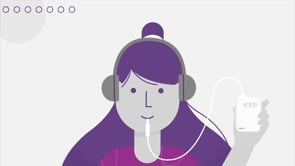
4. Is Tinnitus Treatable? (Spoiler: It Is)
While there’s no cure for tinnitus at present, speaking with a hearing healthcare professional, such as an audiologist, can make a huge difference.
“There are so many things we can do. We have to determine the appropriate path for each patient. Ultimately, tinnitus is a symptom that impacts quality of life significantly. But when patients are consistent and committed, their quality of life improves.”
In fact, Dr. Kasper estimates that about 80% of his patients pursue some form of tinnitus management treatment, while the other 20% find education and reassurance to be enough.
5. Lenire Tinnitus Treatment Device
Lenire is the first and only FDA-approved bimodal tinnitus treatment device. The device is proven to provide relief from tinnitus in clinical trials and with real world patients.
The bimodal neuromodulation approach used by Lenire combines patented audio with mild pulses to the surface of the tongue using a small intra-oral Tonguetip. This dual approach helps the brain focus less on the tinnitus noise over time.
Lenire has been subject to three large-scale clinical trials involving more than 600 patients. As well as this, the device has brought thousands of tinnitus patients relief. Here are results from peer-reviewed papers:
- In the TENT‑A1 trial, approximately 80% of patients experienced a significant reduction in tinnitus severity that lasted at least 12 months.
- In TENT‑A2, around 91% of participants saw sustained relief.
- In the controlled pivotal TENT‑A3 trial, 70% of patients with moderate or worse tinnitus achieved clinically meaningful improvement with Lenire, compared to minimal changes with sound-only therapy.
- Real-world data from over 220 patients also showed that 91.5% had significant relief after 12 weeks of treatment.
Lenire is used at home for two 30-minute sessions per day. Treatment timelines are recommended by a patient’s Lenire Certified audiologist.

Is Tinnitus Treatable? Takeaway – You Don’t Have To Get Used To It
As with every episode of Talking Tinnitus, we advise that you speak with a hearing healthcare professional with expertise in tinnitus.
If you are living with tinnitus in the New York area, Dr. Craig Kasper and his team of experienced tinnitus experts at New York Hearing Doctors can help. If you’re not in the New York area, you can find a clinic near you using Lenire’s Find a Clinic Map.
The most important step is to seek help from a qualified tinnitus expert. As Dr. Kasper emphasizes, “Everybody’s experience with tinnitus is a little different, but a trained specialist will get you on the right path.”
If you’re struggling with tinnitus, remember this one key takeaway – tinnitus is treatable.