When Should I Seek Help for Tinnitus? Talking Tinnitus with Dr. Melissa Wikoff

If you’ve recently started hearing a ringing, buzzing, or humming in your ears, when there is no external sound, you may be wondering, “When should I seek help for tinnitus?”
Tinnitus is a common condition that affects millions of people. 15% of the global adult population suffers with tinnitus. Despite the number of people who have tinnitus, many do not know that early seeking help for tinnitus early on can make a huge difference.
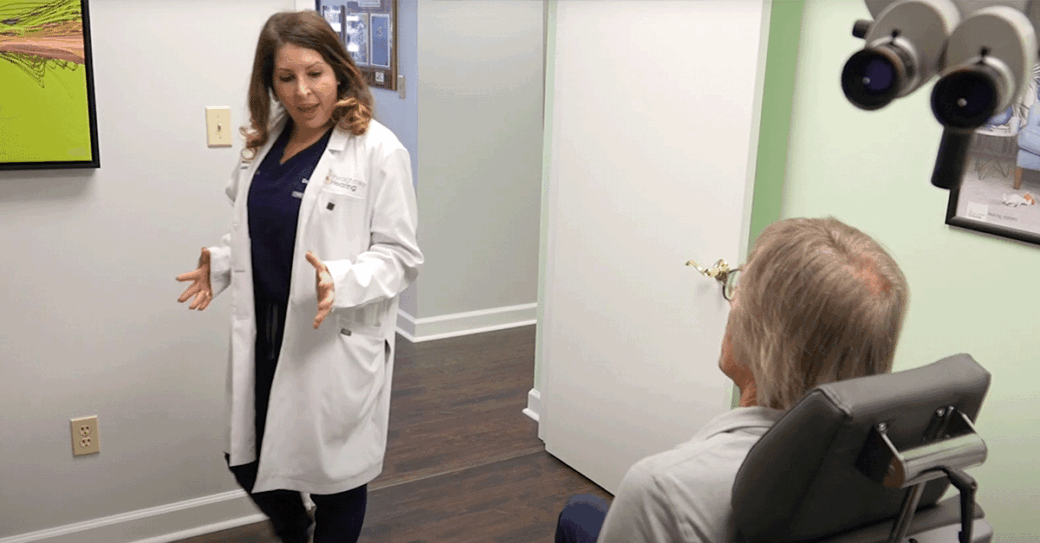
On today’s “When Should Seek Help for Tinnitus” episode of Talking Tinnitus, Dr. Melissa Wikoff, Owner of Peachtree Hearing in Atlanta, Georgia, shares her insights on when to seek help with tinnitus.
- 1. What is Tinnitus?
- 2. When Should I Seek Help for Tinnitus?
- 3. Why Early Tinnitus Treatment Matters
- 4. Who Should You See for Help with Tinnitus?
- 5. Lenire Tinnitus Treatment Device
- 6. Don’t Wait – Get Help for Tinnitus
1. What is Tinnitus?
Tinnitus is commonly known as ringing in the ears but there are many types of tinnitus.
Objective Tinnitus is a measurable type of tinnitus that is caused by a physical condition. These could be muscular or vascular tinnitus causes.
Subjective Tinnitus is the most common type of tinnitus that only the person with the condition can hear. Subjective accounts for 99% of cases. Common causes of subjective tinnitus include:
- Tinnitus from hearing loss
- Tinnitus from noise exposure
- Tinnitus from head injuries
- Tinnitus from anxiety or stress
- Tinnitus from medication side effects
Tinnitus for most is a manageable condition but, for many others, it can have a significant impact on their lives:
- Insomnia (difficulty sleeping)
- Depression or anxiety
- Impacted concentration
- Lower performance at school or work
- Social withdrawal
- Loss of agency
This is why it is vital to get help for tinnitus. When exactly should you get help for tinnitus?
2. When Should I Seek Help for Tinnitus?
Many people experience short term tinnitus. This is usually after a concert or being exposed to loud noise. Typically, a person with short term tinnitus will get natural tinnitus relief in 24 – 48 hours. However, Dr. Wikoff advises not to ignore persistent symptoms of tinnitus:
“When you hear tinnitus, even for the first time, it can be quite upsetting, quite disturbing. And then you start to wonder and worry, why is this happening? How long is this going to last? If you’re noticing tinnitus for more than even a day or two, it’s not too early to seek help understanding what’s going on in your body.”
Dr. Wikoff emphasizes “Life is too valuable and too precious for you to be suffering with something that’s perfectly treatable.”
3. Why Early Tinnitus Treatment Matters
The sooner you understand tinnitus, the easier it is to manage your symptoms of tinnitus. According to Dr. Wikoff:
“The sooner you understand more about what tinnitus is, the easier it will be to find relief and to start feeling better.”
The first step to getting help with tinnitus is booking a tinnitus assessment at a tinnitus expert clinic. The start of tinnitus treatment usually involves:
- Comprehensive hearing and tinnitus evaluation.
- Sound therapy and tinnitus retraining therapy (TRT).
- Counseling to reduce the emotional impact of tinnitus.
If your tinnitus diagnosis deems you eligible for further treatment, you may be recommended a clinically proven treatment like Lenire.
4. Who Should You See for Help with Tinnitus?
When searching for help with tinnitus, Dr. Wikoff recommends starting with an audiologist:
“I might be biased, but I think an audiologist is probably the best person that you could be seeing. There’s plenty of audiologists who are tinnitus experts… You definitely want to see an audiologist who understands tinnitus.”
She also suggests using trusted resources like the American Tinnitus Association (ATA):
“You can put your zip code right in there [on the ATA website], and it’s my most trusted resource.”
Want to find an expert tinnitus clinic near you? Visit Lenire’s Find a Clinic Map.
5. Lenire Tinnitus Treatment Device
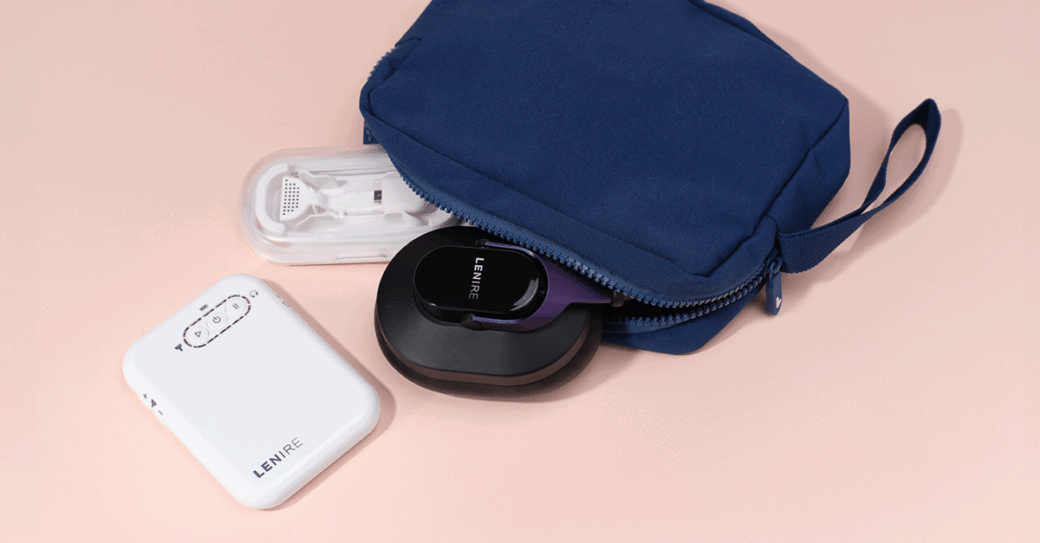
Lenire is the first and only FDA-approved, non‑invasive bimodal neuromodulation device.
The device works through stimulation of the auditory and somatosensory nerves. Auditory stimulation is delivered in the form of soothing soundscapes via Bluetooth headphones. This is combined with mild pulses to the surface of the tongue using a Tonguetip.
Patients typically use Lenire at home for two 30-minute sessions per day, for a period recommended by a qualified audiologist. This groundbreaking dual approach helps the brain focus less on the tinnitus noise over time.
Clinical trial data support Lenire’s effectiveness.
- TENT-A1 confirmed the effectiveness of Lenire. 80% of patients experienced a significant reduction in tinnitus severity that lasted at least 12 months.
- TENT‑A2 demonstrated that altering stimulation midway through treatment can achieve better outcomes. 91% of participants reported relief that sustained for 12-months.
- TENT‑A3, the controlled clinical trial for Lenire, saw 70% of patients with moderate or worse tinnitus achieve clinically meaningful relief from tinnitus using Lenire. This was compared to sound-therapy, the trial’s control, where patients saw minimal relief.
- Real-world data from over 220 patients also showed that 91.5% had significant relief after 12 weeks of treatment.
Lenire’s clinical trials were peer-reviewed and published in top-tier scientific journals. These include Nature Communications, Science Translational Medicine, and Nature Communications Medicine.
Additional benefits of Lenire include:
- Non-invasive, drug-free treatment.
- At-home treatment with minimal clinic visits
- Clinically proven to reduce tinnitus severity
- Customized programs tailored to individual needs.
If you’re exploring the proven tinnitus treatments, ask you audiologist about Lenire.
6. Don’t Wait – Get Help with Tinnitus
If your tinnitus is persistent, don’t delay seeking help. As Dr. Wikoff states:
“There’s organizations and experts out there who can help.”
A professional can help you find relief from tinnitus and improve your quality of life.
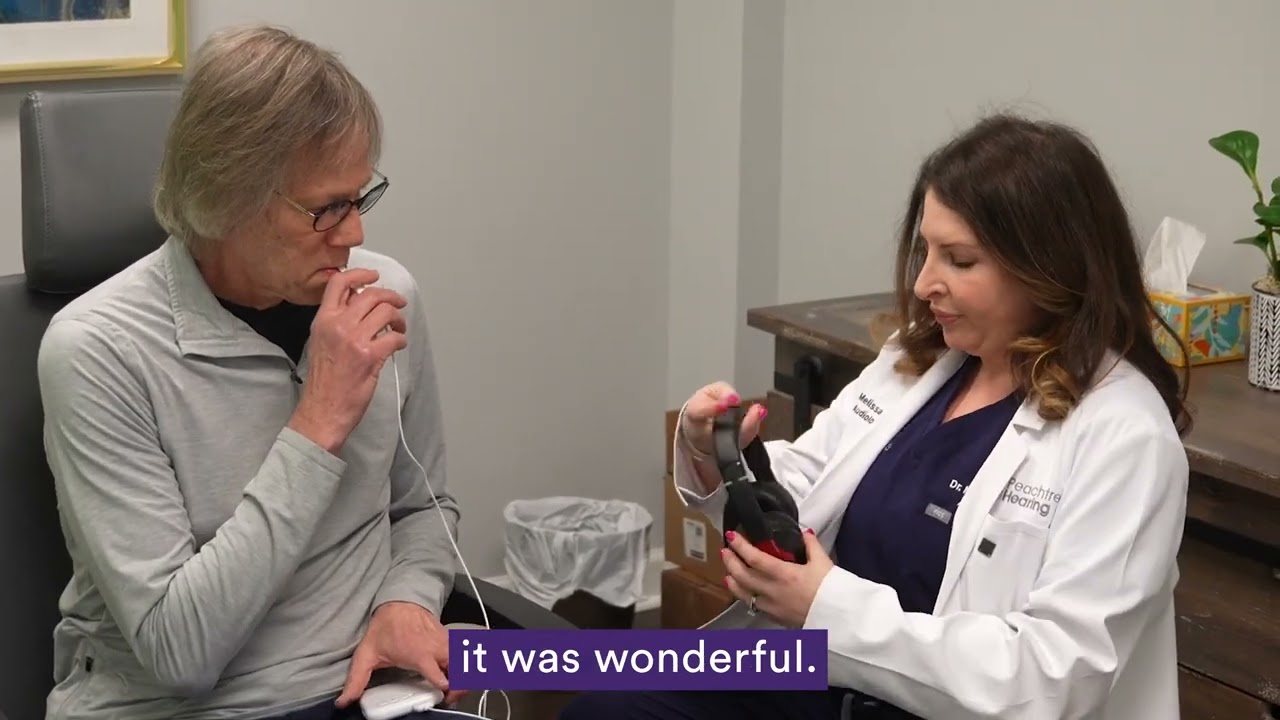
When Should I Seek Help for Tinnitus? | Key Takeaways:
- Seek help with tinnitus if symptoms last for more than 1–2 days.
- Tinnitus treatment is most effective when started early.
- The Lenire tinnitus treatment device offers proven relief from tinnitus.
- Use the American Tinnitus Association to find trusted providers.
Are you experiencing persistent ringing in your ears? As with every episode of Talking Tinnitus, we recommend you speak with a tinnitus expert audiologist today. Contact one to book a tinnitus assessment. A tinnitus diagnosis can help you understand and manage the noise. It will also help a professional prescribe the best treatment for you.
If you are in Atlanta, Georgia or nearby, Dr. Melissa Wikoff and her team at Peachtree Hearing are ready to help. Not living nearby Atlanta? You can find a clinic near you using Lenire’s Find a Clinic Map.