What is Pulsatile Tinnitus? Talking Tinnitus with Dr. Gail Brenner

Most people associate tinnitus with a constant ringing in the ears, but for some, it sounds more like a heartbeat.
This rhythmic pulsing, known as pulsatile tinnitus, is often described as a whooshing or throbbing sound that matches the beat of your heart. While rare, this unique form of tinnitus requires special attention and evaluation.
Talking Tinnitus sat down with Dr. Gail Brenner, audiologist and owner of the Tinnitus Treatment Center in Philadelphia, to explore what makes pulsatile tinnitus different and why timely diagnosis is so important.
- 1. What is Tinnitus?
- 2. What Causes Tinnitus?
- 3. Pulsatile Tinnitus Explained
- 4. What Are The Causes?
- 5. When to Worry About Pulsatile Tinnitus
1. What is Tinnitus?
Tinnitus is the perception of sound often ringing, buzzing, or hissing without an external source. It affects millions of people and is commonly associated with hearing loss, noise exposure, or ear injuries. 15% of the global adult population lives with tinnitus.
According to the American Tinnitus Association, 50 million Americans could be living with tinnitus. Over 7 million UK adults may be living with tinnitus according to Tinnitus UK. That’s 1-in-7 adults.
However, not all tinnitus sounds are alike. While most cases are subjective tinnitus (heard only by the patient), pulsatile is often a sign of an underlying physical issue.
“Pulsatile tinnitus is when someone hears a throbbing or a whooshing or pulsing in their ear or ears. Typically, it is one-sided and rhythmic with the heartbeat,” says Dr. Brenner.
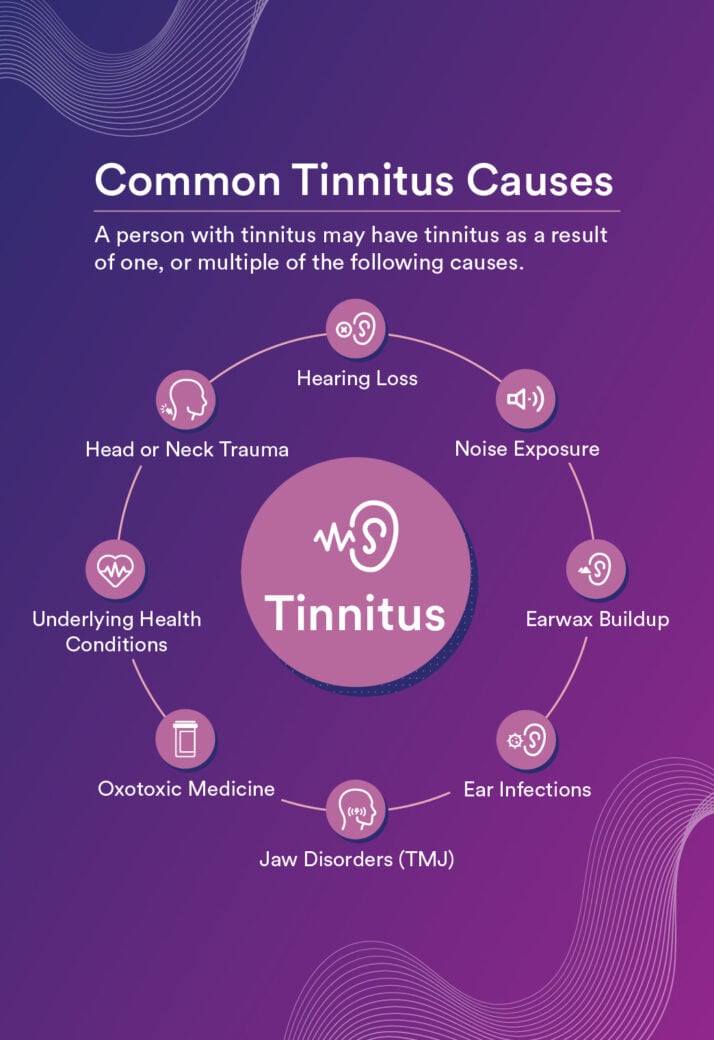
2. What Causes Tinnitus?
Tinnitus can develop from a range of causes. These may include:
- Hearing loss (age-related or noise-induced)
- Ear infections or blockages
- Head or neck injuries
- Ototoxic medications
- Circulatory issues
In many cases, tinnitus arises without a clearly identifiable cause, making personalized evaluation and treatment crucial.
But pulsatile tinnitus is different and often, far more serious.

3. Pulsatile Tinnitus Explained | Pulsatile vs. Regular Tinnitus
What is pulsatile tinnitus? Unlike typical tinnitus, pulsatile tinnitus is a “somatic sound” one that originates from the body itself. This may be due to a disturbance or changes in blood flow near the ears. It can sound like:
- Throbbing in the ear
- Whooshing in the ear
- Ear pulsing
- Heartbeat tinnitus
“We call it a somatic sound, It could be pressure on the brain. Pulsatile could be blood flow near the ear. It could be a tumor. It could be many different reasons,” Dr. Brenner explains.
Medical professionals must treat heartbeat tinnitus differently from standard tinnitus because it has physical roots (objective tinnitus).
Audiologists will conduct a tinnitus assessment. However, they will also work with medical teams to identify the cause of pulsatile tinnitus. Treatment options may range from monitoring, medication, and surgical intervention in rare cases.
“There are a couple of facilities in the United States that actually specialize in this form of tinnitus but that is more for the extreme cases,” says Dr. Brenner.
4. What Are The Causes of Pulsatile Tinnitus?
If you’re hearing a rhythmic pulsing or ringing in the ears in sync with your heartbeat, it’s essential to explore possible medical causes. Some causes include:
- High blood pressure or vascular disorders
- Arteriovenous malformations (AVMs)
- Auditory system glomus tumors or other growths
- Idiopathic intracranial hypertension
- Abnormal blood vessels near the ear
“It could be benign but it could be something important. It could be caused by pressure on the brain so it really has to be evaluated,” Dr. Brenner cautions.
Although rare, it could be a sign of something more serious – and unlike subjective tinnitus, it is often easier to locate and treat the root cause.
5. When to Worry About Pulsatile Tinnitus
You should seek help for pulsatile tinnitus without delay.
“If you suspect you have this rhythmic kind of sound, go and get it checked out by healthcare professionals. Absolutely. Have it checked medically,” urges Dr. Brenner.
Whether it turns out to be benign or not, a full tinnitus diagnosis early is key to finding the right treatment path and peace of mind.
Pulsatile Tinnitus | Key Takeaways
- Pulsatile tinnitus is a rare form of tinnitus that aligns with your heartbeat.
- It differs from common ringing in the ears and often has a physical, medical cause.
- Common triggers include vascular issues, tumors, or brain pressure.
- Early tinnitus evaluation is crucial – don’t ignore heartbeat tinnitus.
- Treatment may involve medical imaging, audiological testing, or even surgery in rare cases.
As with every episode of Talking Tinnitus, we recommend that you seek out a qualified tinnitus expert before taking any treatment course. We also recommend that you speak with your family doctor, particularly if there is a history of cardiac issues in your family.