What Professions Commonly Have Tinnitus? Jobs Linked to Tinnitus and How to Protect Your Hearing – Talking Tinnitus with Dr. Miles Sabine
Tinnitus – often described as ringing in the ears – affects millions of people worldwide. In fact, 15% of the global adult population lives with tinnitus.
While anyone can develop tinnitus, some jobs significantly increase the risk. Understanding which professions are more prone to tinnitus and how to protect your hearing is essential for long-term hearing health.
To shed light on the connection between tinnitus and the workplace, Dr. Miles Sabine, a tinnitus expert at Tobias and Battite Hearing Wellness in Boston, joined Talking Tinnitus.
- What is Tinnitus
- What Causes Tinnitus?
- Types of Tinnitus
- What Professions Commonly Get Tinnitus?
- High-Risk Jobs Linked to Tinnitus
- How to Protect from Tinnitus
- Best Tinnitus Treatment Options
- Lenire Tinnitus Treatment Device
1. What is Tinnitus?
Tinnitus is the perception of sound -– such as ringing, buzzing, pulsing or hissing – when no external sound is present. Often referred to as “phantom sounds,” tinnitus can range from temporary and mildly annoying to long-term and severely debilitating.
“A lot of things can cause tinnitus, but almost always the causes of tinnitus don’t necessarily dictate the treatment or what we have to do about it,” explains Dr. Sabine
Whether you have chronic tinnitus or temporary, tinnitus sounds often point to an underlying issue with the auditory system, most commonly hearing loss due to noise exposure.
2. What Causes Tinnitus?
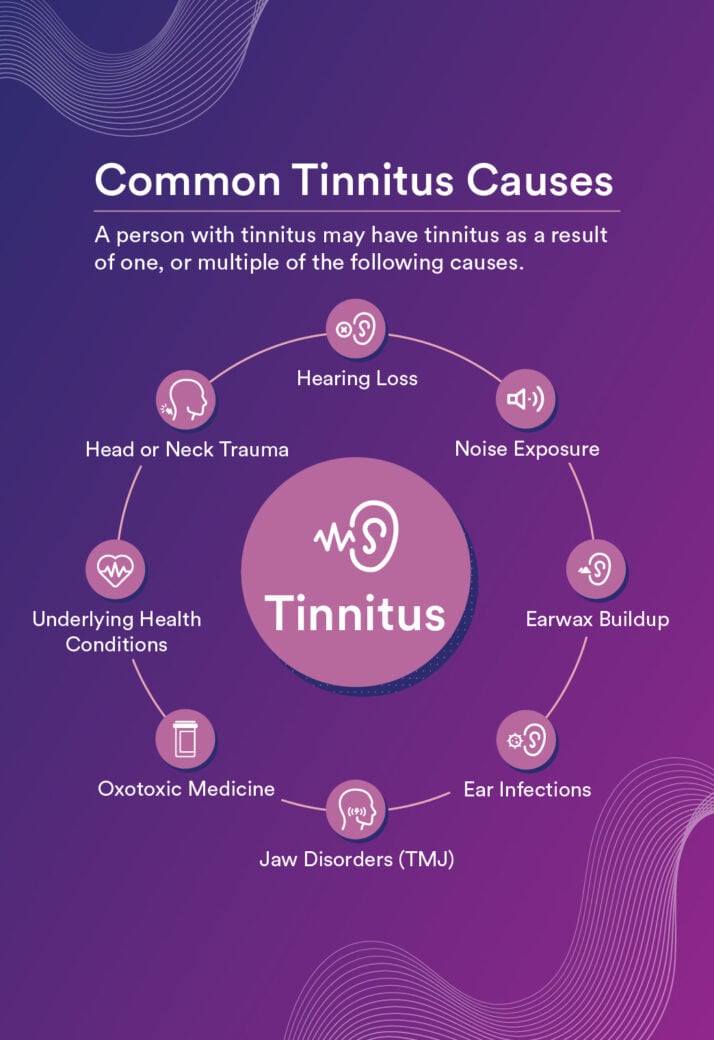
Hearing loss is the most common cause of tinnitus. However, people who work in high-noise environments are also at risk. Tinnitus causes include:
- Age-related hearing loss
- Ear infections or blockages
- Head or neck injuries
- Certain medications (ototoxic drugs)
- Circulatory disorders or high blood pressure
- Noise exposure
3. Types of Tinnitus
There are two main types of tinnitus:
- Subjective Tinnitus: Subjective tinnitus is the most common type of tinnitus and accounts for 99% of all cases. This type of tinnitus can only be heard by the person affected.
- Objective Tinnitus: This is a rare form of tinnitus. Objective tinnitus is caused by a physical issue. This kind of tinnitus can be heard and measured by a medical professional.
Regardless of the type of tinnitus, people describe tinnitus sounds as:
- Ringing in the ears
- Buzzing in the in the ears
- Humming in the ears
- Hissing in the ears
- Pulsing in the ears
- Whooshing in the ears
4. What Professions Commonly Get Tinnitus?
Certain jobs are especially vulnerable due to consistent noise exposure. According to Dr. Sabine:
“Some of the most common professions that might experience tinnitus often involve high levels of noise. So you’re thinking musicians, construction workers, people who work in a factory or around any heavy equipment, heavy machinery, things like that”

5. High Risk Jobs Linked to Tinnitus
- Musicians & DJs – Constant exposure to loud music, feedback, crowd noise (if you’re popular enough). Chris Martin of Coldplay is one of many high profile musicians living with tinnitus. In 2013, Martin donated a track to a tinnitus charity album for Tinnitus UK.
- Construction Workers – Power tools, heavy machinery, and vehicular noise.
- Military Personnel – Gunfire and explosions are common hazards on active battlefields and in training. 3.2 million U.S. Veterans are living with tinnitus making the condition the #1 service-connected disability. Tinnitus has been the leading service-connected disability since the Vietnam War.
- Factory Workers – Industrial machinery, loud ambient noise.
- Pilots & Airport Crew – Jet engine noise. You may think it mostly the engineers but pilot and cabin crew are exposed to consistent noise during flights.
- Firefighters & Police – Loud noises from sirens, and alarms and, in the case of some police forces, gun fire.
- Bar Staff & Nightclub Employees – Loud, repetitive noise exposure. It can be particularly difficult for bar and nightclub staff to protect their hearing as they are customer facing.
While not everyone in these roles develops tinnitus, the risk is significantly higher due to the constant strain on the ears. Tinnitus perception is also a factor. If you have tinnitus and work in a quiet role, such as software development, your perception of tinnitus may be higher.

6. How to Protect Hearing from Tinnitus While Working
The good news? Tinnitus from workplace noise exposure is the most preventable cause of tinnitus if you use the right strategies.
Tips to Protect Your Hearing from Tinnitus:
- Use Hearing Protection for Tinnitus: Foam earplugs or earmuffs to significantly reduce noise. If you are a musician, you can use custom filters for musicians to reduce noise exposure and maintain audio fidelity.
- Take Listening Breaks: Step away from the noise every 1–2 hours.
- Follow Workplace Health and Safety Guidelines: Limit daily exposure to harmful decibel levels. In the United States of America, OSHA has strict Noise Exposure Limit Guidelines. Look up the workplace regulations in your country and ensure your employer follows these rules.
- Monitor Your Hearing Health: Schedule regular hearing check-ups. If you feel like you have tinnitus that sustains for over 48 hours, you should schedule a tinnitus assessment.
“When tinnitus patients come to see you, you want to prevent the condition from getting worse in the future through additional noise exposure,” Dr. Sabine says. “That might be appropriate whilst they’re also getting treated for tinnitus”
7. Best Tinnitus Treatment Options
While there’s no universal cure for tinnitus, effective tinnitus treatments can reduce the severity and impact of symptoms. If you notice tinnitus that persists for 48-hours after noise exposure, you should seek help for tinnitus.
Common Tinnitus Treatment Options:
- Cognitive Behavioral Therapy (CBT) – CBT helps you manage your emotional response to tinnitus and develop strategies to cope with tinnitus fluctuations.
- Lenire Bimodal Neuromodulation – Lenire is the first and only bimodal neuromodulation tinnitus treatment device approved by the US FDA. Lenire’s bimodal neuromodulation combines auditory stimulation with mild pulses in the tongue to retrain the brain to stop focusing on tinnitus.
- Sound Therapy – Mask or reduce the perception of tinnitus sounds.
- Tinnitus Retraining Therapy (TRT) – A combination of counseling with sound therapy.
- Hearing Aids – If you have hearing loss and tinnitus, restoring your hearing can help decrease your tinnitus perception.
- Lifestyle Adjustments – Therapy such as cognitive behavioral therapy of tinnitus retraining therapy can help you manage stress. Developing a rigid sleeping routine, reducing the intake of caffeine and alcohol, and mindfulness can help relieve tinnitus.
“It’s always good to come in and get it evaluated anyways… I haven’t met anyone who has regretted that yet,” says Dr. Sabine

7. Lenire Provides Clinically Proven Relief from Tinnitus
Lenire is the first and only FDA-approved, non‑invasive bimodal neuromodulation device.
The device works through stimulation of the auditory and somatosensory nerves. Proprietary soothing audio tones play via Bluetooth headphones. This audio is combined with mild pulses to the surface of the tongue using a small intra-oral Tonguetip.
Patients typically use Lenire at home for two 30-minute sessions per day, for a period recommended by their qualified audiologist. This bimodal stimulation approach reduces the brain’s focus on tinnitus over time.
Lenire Clinical Trial and Real World Data
- TENT-A1 Clinical Trial: 80% of patients experienced a significant reduction in tinnitus severity that lasted at least 12 months. This clinical trial was the cover story in Science Translational Medicine.
- TENT‑A2 Clinical Trial: 91% of clinical trial tinnitus patients had relief that sustained for 12-months. TENT-A2 was peer-reviewed and published in Nature – Scientific Reports.
- TENT-A3 Controlled Tinnitus Clinical Trial: 70% of patients with moderate or worse tinnitus achieved clinically meaningful improvement with Lenire, compared to minimal changes with sound-only therapy. TENT–A3 was a controlled clinical trial for Lenire that was designed with guidance from the US FDA. Trial results were peer reviewed and published in Nature Communications.
- Peer Reviewed Real World Data: 91.5% of 220 patients reported significant relief from tinnitus. This real world patient data was peer-reviewed and published in Nature Communications Medicine.
High Risk Jobs Linked to Tinnitus | Key Takeaways:
- Jobs linked to tinnitus include musicians, military, factory workers, and construction crews.
- It isn’t just high noise exposure roles, quieter workspaces can increase perception of tinnitus if you already have it.
- Consistent loud noise can lead to ringing in the ears and permanent hearing damage.
- Hearing protection is essential in high-risk environments.
As with every episode of Talking Tinnitus, we recommend that you schedule a tinnitus evaluation with a professional tinnitus expert.
If you are living in the Boston area, Dr. Sabine and Dr. Fligor at Tobias and Battite Hearing Wellness are ready to help you find relief from tinnitus. Not in the area? You can find an expert tinnitus clinic near you using Lenire’s Find a Clinic Map.