Why is My Tinnitus Suddenly Worse? Tinnitus Fluctuations with Dr. Beth Field on Talking Tinnitus

If you’re living with tinnitus, you may be familiar with the unpredictable nature of the condition. One day the sound is barely noticeable, and the next, it can be intrusive and overwhelming. You might ask yourself “Why is my tinnitus louder?” “Why is my tinnitus suddenly worse?”
This sensation is known as tinnitus fluctuations. So, what’s behind these tinnitus fluctuations and when should you be concerned?
Dr. Beth Field, certified audiologist and Technical Support Expert at Neuromod joined Talking Tinnitus to offer expert insight into this common yet startling aspect of tinnitus management.
- 1. What is Tinnitus?
- 2. What Are Tinnitus Fluctuations?
- 3. What Causes Tinnitus?
- 4. What Causes Tinnitus To Get Worse?
- 5. Tinnitus Fluctuations – Is It Normal?
- 6. Can Tinnitus Treatment Cause Tinnitus Fluctuations
- 7. What Can You Do If Tinnitus Gets Worse?
- 8. Managing Tinnitus Proactively
1. What is Tinnitus?
Tinnitus, which is commonly known as ringing in the ears, is the persistent noise in the ears when there is no external sound. Tinnitus can also sound like hissing, whooshing, crackling, or pulsing.
The condition affects millions of people worldwide. In fact, 15% of the global adult population are impacted by tinnitus. There are two main types of tinnitus, objective and subjective tinnitus.
- Subjective Tinnitus: This is the most common type of tinnitus is subjective tinnitus. 99% of all tinnitus cases are subjective tinnitus. Subjective tinnitus cannot be measured by a hearing care professional. Only the person with tinnitus can hear it.
- Objective Tinnitus: 1% of tinnitus patients are diagnosed with objective tinnitus. This type of tinnitus is usually caused by a physical issue that contributes to the sound. This type of tinnitus is measurable.
There are subtypes of tinnitus within these categories, including somatic tinnitus, pulsatile tinnitus (heartbeat tinnitus sound) and other rare types of tinnitus.
2. What are Tinnitus Fluctuations?
Tinnitus fluctuations refer to changes in the volume, pitch, or intensity of the sound you hear. These shifts can happen daily or unexpectedly, and they often leave people asking, “Why is my tinnitus louder today?” or “Has my tinnitus permanently changed?”
According to Dr. Field, fluctuations in tinnitus are completely normal:
“Audiologists get this question pretty frequently because tinnitus fluctuations are such a common phenomenon for people that have tinnitus. Typically, fluctuations are just that, sometimes they go up and they come back down.”
3. What Causes Tinnitus?
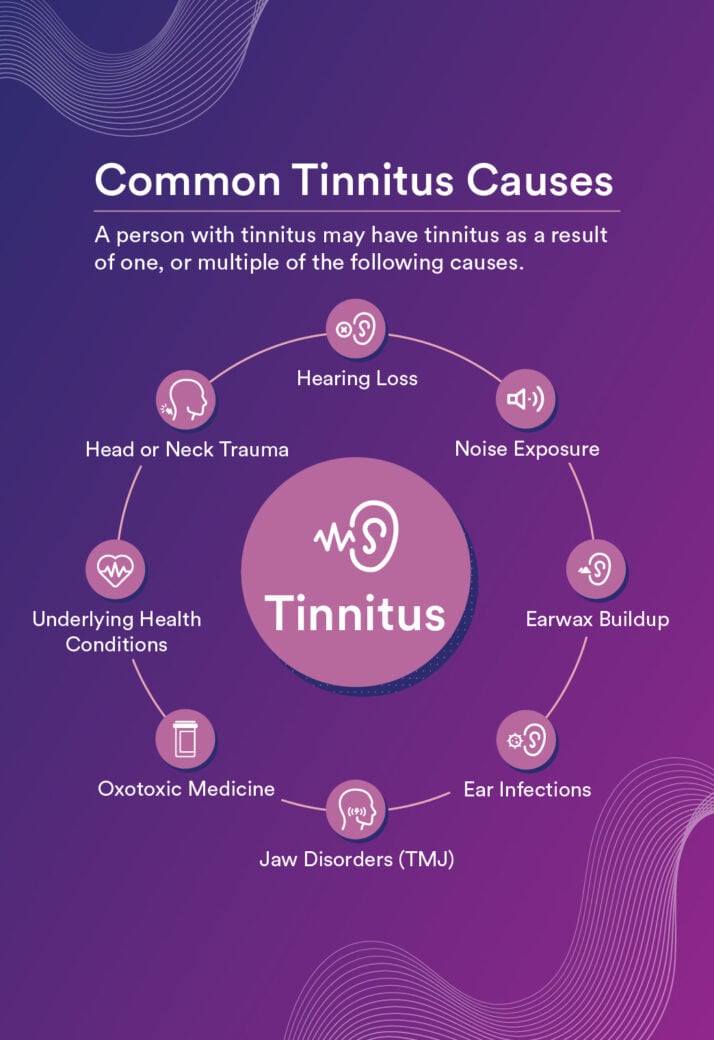
There are many causes of tinnitus. The most common causes of tinnitus include:
- Age-related hearing loss
- Prolonged exposure to loud noise
- Ear infections or wax blockages
- Certain medications (known as ototoxic drugs)
- Head or neck trauma
- Jaw disorders (TMJ)
- Underlying health conditions like high blood pressure
If you are living with tinnitus, you are likely familiar with the causes of tinnitus. However, even those who have been living with tinnitus long-term are surprised when tinnitus gets worse.

4. What Causes Tinnitus to Get Worse?
There are many potential triggers that may make your tinnitus worse on any given day. Dr. Field notes that tinnitus is often a symptom of something else, most commonly hearing loss, and it can be influenced by numerous environmental or physiological factors.
“If you have a condition related to your tinnitus and that condition is having a flare of symptoms, your tinnitus might also seem more prevalent during those times.”
Here are a few common causes of tinnitus fluctuations:
Illness, Ear Infections, or Earwax Buildup and Tinnitus
“You might have an ear infection… and your brain responds with heightened tinnitus.”
Illness or ear infections may cause your tinnitus to become worse. Many patients will notice their tinnitus return to normal, or disappear, once their ear infection or illness resolves.
Earwax buildup can cause increased perception of tinnitus due to temporary loss of hearing. Earwax blockages often cause tinnitus to be louder in one ear. Safely removing earwax can give you relief from tinnitus.
Stress and Anxiety Cause of Tinnitus
“If you’re someone who suffers from clinical anxiety… you might notice that your tinnitus is also not being managed well during that point in time.”
Loud Environments Can Make Tinnitus Worse
You might notice that your tinnitus is louder after a concert, or working in loud environments. In fact, loud environments are the cause of the majority of temporary tinnitus cases. However, if the tinnitus persists for 48 hours, you should seek help with tinnitus.
Exercise or Increased Blood Flow Worsening Tinnitus
As suggested by Dr. Craig Kasper in “Is Tinnitus Treatable?” episode of Talking Tinnitus, exercise can help a person manage tinnitus. However, an increase of blood flow or physical activity can also cause temporary increase in tinnitus for some.
“After physical, rigorous activity, you can have a fluctuation in tinnitus.”
Routine Changes (like sleep, caffeine, or diet)
Audiologists recommend having a predictable sleeping pattern to help your brain manage tinnitus. As there is less ambient noise to distract the brain from tinnitus, tinnitus can be louder at night when you are trying to sleep. A routine can help you sleep more easily.
As with the earlier increased blood flow reason for sudden worsening tinnitus – caffeine and alcohol can also make tinnitus more intense.
“It looks like you’re having a little bit of extra caffeine later in the day, and then a few hours later, your tinnitus seems to fluctuate.”
Research from Apple suggests there is a strong link between blood flow and caffeine intake.
5. Tinnitus Fluctuations – Is It Normal?
Yes. While it can be distressing, louder tinnitus doesn’t always mean your condition is getting worse. Dr. Field emphasizes the importance of understanding and tracking these changes rather than fearing them.
“If you are experiencing a fluctuation for the first time or maybe it’s been a while, it does feel very worrisome… But typically fluctuations are just that. They go up and they come back down.”
Understanding tinnitus can be empowering. Once you start identifying potential causes or patterns, tinnitus fluctuations become more manageable and less frightening.
6. Can Tinnitus Treatment Cause Tinnitus Fluctuations?
Interestingly, yes. Some patients notice changes in their tinnitus after starting new treatments. This is part of the body adapting to therapy.
“Sometimes even introducing a new tinnitus treatment can cause fluctuations… we’re basically changing how the brain is responding to your tinnitus.”
While this may feel like a setback, it’s often a sign that your body is responding to the treatment – and can be a temporary phase on the road to relief.
An ongoing UNITI study suggests that roughly 10% of patients experience tinnitus fluctuations as a result of any tinnitus treatment. This includes hearing aids for tinnitus, cognitive behavioral therapy for tinnitus, and even tinnitus retraining therapy.
7. What Can You Do If Tinnitus Gets Worse?
If your tinnitus becomes significantly worse or stays elevated longer than usual, it’s always a good idea to consult a qualified professional. Dr. Field recommends starting with a process of elimination:
“We want to rule out any contributing conditions like an ear or viral infection… Then we can look at routines, stress levels, and other factors that might be influencing the fluctuation.”
By working with a tinnitus expert, you can identify triggers and develop a personalized strategy for managing your tinnitus when it spikes. This is particularly important if you are in the middle of a tinnitus treatment plan.
Tinnitus Treatment Options
In the “Is Tinnitus Treatable?” episode of Talking Tinnitus, we explored many different treatment options for tinnitus including:
a. Tinnitus Retraining Therapy (TRT)
TRT combines counseling with light sound therapy for tinnitus to help your brain gradually ignore tinnitus.
b. Cognitive Behavioral Therapy for Tinnitus
Cognitive behavioral therapy (CBT) for tinnitus helps patients manage their response to tinnitus. This in turn can build better coping skills and help patients manage anxiety-induced tinnitus.
Cognitive behavior therapy is particularly effective for people who experience tinnitus fluctuations. CBT can help your brain train to manage sudden changes in tinnitus. So, instead of fixating on the change, your brain’s response will be more moderate.

c. Bimodal Neuromodulation
Lenire is the only commercially available bimodal neuromodulation tinnitus treatment device.
The United States of America FDA granted Lenire De Novo Approval. This De Novo Grant made Lenre the first and only FDA Approved bimodal stimulation tinnitus treatment device.
Lenire bimodal stimulation combines custom audio through Bluetooth headphones with mild pulses to the surface of the tongue using a small intra-oral Tonguetip.
This approach has been proven to provide relief from tinnitus in clinical trials and with real world patients. Lenire’s large-scale clinical trials and real world evidence have been peer-reviewed and published in top-tier medical journals. These journals include Science Translational Medicine and Nature.
- TENT-A1 Clinical Trial: 80% of patients reported a significant reduction in tinnitus severity that lasted for at least 12 months.
- TENT-A2 Clinical Trial: 91% of patients had a significant reduction that sustained for at least 12-months.
- Controlled TENT‑A3 Trial: 70% of patients with moderate or worse tinnitus achieved clinically meaningful improvement with Lenire, compared to minimal changes with sound-only therapy.
- Peer-Reviewed Real World Data: 91.5%of 220 patients had significant relief after 12 weeks of treatment.
d. Hearing Aids for Tinnitus
Hearing loss is the most common cause of tinnitus. Tinnitus treatment with hearing aids can help restore hearing and reduce the perception of ringing.
Untreated hearing loss can lead to worsening tinnitus. This is because loss of hearing can increase the brain’s perception of tinnitus.
7. Managing Tinnitus Proactively
The key to managing tinnitus is understanding your body’s response and having the tools to react calmly. Dr. Field encourages building awareness of what causes your tinnitus to get louder:
“If I do X activity, my tinnitus may respond with Y… When you are ready for it, it feels less stressful and scary.”
If you are experiencing tinnitus fluctuations during any tinnitus treatment, it is recommended you keep a journal. This will help you build habits that support better treatment outcomes.
Final Thoughts
If you’re asking yourself, “Why is my tinnitus worse today?” try not to panic. Tinnitus fluctuations are common, and they’re often temporary. Understanding the causes behind the changes and seeking expert support can help you take back control.
If you have tinnitus and are wondering where you can get help, look no further. You can find a tinnitus expert clinic near you using Lenire’s Find a Clinic Map.