How Important is Hearing Protection for Tinnitus? Talking Tinnitus with Craig Kasper
Living with tinnitus – persistent ringing, buzzing, or hissing in the ears – can make you hypersensitive to sound. When noise exposure is a cause of tinnitus, many people ask: “Is hearing protection essential?”
The short answer is yes. Hearing protection is important, but there is nuance according to Dr. Craig Kasper, audiologist and founder of New York Hearing Doctors.
Dr. Craig Kasper joined today’s How Important is Hearing Protection for Tinnitus? episode of Talking Tinnitus to share his expert guidance on hearing protection, hyperacusis, and what happens when tinnitus gets worse.
1. What is Tinnitus?
Tinnitus is often described as a phantom sound ringing, buzzing, or hissing when there is no external source of noise. Tinnitus is not a disease itself but a symptom of underlying auditory or neurological issues. 15% of the global adult population are living with tinnitus.
Tinnitus is most often linked to hearing loss or noise exposure.
“Hearing loss is not necessarily life-threatening, but it is life-altering,” says Dr. Kasper.
Most people will experience tinnitus as a result of loud noise exposure when not wearing hearing protection. This tinnitus is often temporary and will resolve after 24 – 48 hours. For many, the tinnitus can be persistent and disrupt their lives.
- Tip: If tinnitus noise persists for more than 48- hours, you should seek help for the condition.
Preventing tinnitus from getting worse often starts with reducing your exposure to damaging sound levels.
2. Common Tinnitus Causes
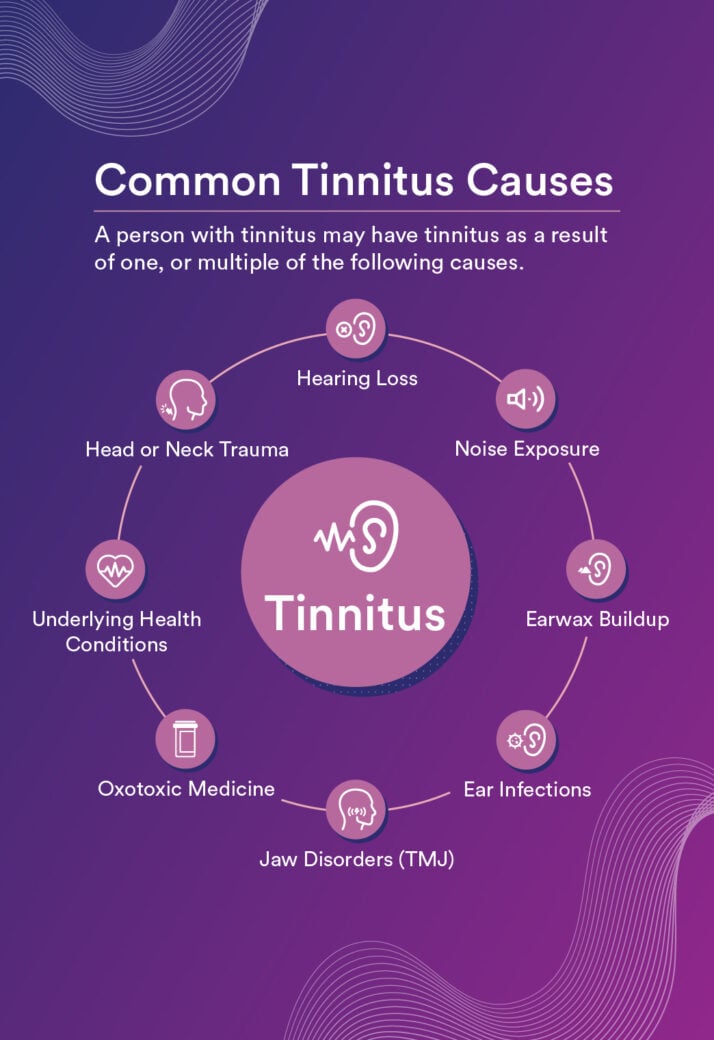
Preventing tinnitus, or keeping it from worsening, starts with understanding its most common causes:
- Noise Exposure: Long-term or acute exposure to loud environments. Loud environments linked to tinnitus could be concerts, workplaces with machinery etc.
- Hearing Loss: Hearing loss is the most common cause of tinnitus. You can learn more about hearing loss and tinnitus from Dr. Gail Whitelaw on Talking Tinnitus.
- Stress & Anxiety: Stress causes tinnitus to become worse. Anxiety and stress heighten awareness of tinnitus and worsen symptoms. Tinnitus can often cause stress to increase, so options like cognitive behavioral therapy for tinnitus can help with your emotional response to the condition.
- Ear Infections or Blockages: Can temporarily intensify tinnitus. Fortunately, it is often the case that removing the earwax blockage can resolve a tinnitus spike caused by wax.
- Ototoxic Medications: Certain medications can damage auditory pathways. Another reason why seeing a qualified tinnitus expert and getting a tinnitus assessment is essential.
It is difficult to manage stress, anxiety and age-related hearing loss. However, Dr. Kasper believes that this is not the same for loud noise exposure and tinnitus.
“Noise exposure is the number one preventable cause of hearing loss,” Dr. Kasper emphasizes.
This makes using appropriate hearing protection not just a recommendation but a necessity for people with or at risk for tinnitus.

3. Best Hearing Protection to Protect Your Ears from Noise-induced Tinnitus
Hearing protection is your front line defense against noise-induced tinnitus. But not all protection is created equal.
“Hearing protection comes in many different forms,” explains Dr. Kasper. “It can come in the form of a generic foam plug… or a custom filtered plug. It really depends on the environment.”
Dr. Kasper explains some of the best hearing protection options for tinnitus:
- Foam Earplugs: Ideal for power tools, lawn mowing, or sudden loud noises.
- Custom-Molded Filters Ear Protection: Great for musicians or concertgoers who want to preserve sound fidelity while protecting their ears.
- Noise-Canceling Headphones: Useful in everyday environments where controlling background noise matters. Be sure to ensure the volume is not too high during audio playback.
However, Dr. Kasper urges people to be cautious because overprotection can backfire.
“When we have sound sensitivity, overprotecting our ears can actually make us more sensitive.”
Think of it like sunglasses—wearing them indoors all the time can make natural light feel unbearable. Similarly, excessive ear protection may lead to auditory hypersensitivity.
4. What is Hyperacusis? Auditory Hypersensitivity
As mentioned in our Common Tinnitus Causes episode, Hyperacusis is a condition where everyday sounds feel uncomfortably loud or even painful. It’s frequently seen in people who also suffer from tinnitus and can make tinnitus symptoms worse if not managed properly.
“Overprotecting… makes them more sensitive to sound. It’s like wearing sunglasses all the time,” says Dr. Kasper.
If you’re noticing increased sensitivity along with worsening tinnitus, it’s time to consult a qualified hearing healthcare provider, preferably one with tinnitus specialization.
Proper assessment can determine if you’re dealing with hyperacusis, and tailor a plan that avoids overstimulation—or underexposure—of your auditory system.
5. Tinnitus Treatment Options
If you have been exposed to loud noise, or other tinnitus causes, and are living with tinnitus wondering “Is Tinnitus Treatable?” The good news is, tinnitus is treatable. Here are some common tinnitus treatment options:
a. Tinnitus Retraining Therapy (TRT)
TRT combines counseling with low-level sound therapy to help your brain gradually ignore tinnitus signals.
b. Cognitive Behavioral Therapy (CBT)
CBT for tinnitus helps patients manage their emotional response to tinnitus and build better coping skills. Cognitive behavioral therapy for tinnitus is particularly useful for those who experience tinnitus fluctuations.

c. Bimodal Neuromodulation – Lenire Tinnitus Treatment Device
Lenire is the only commercially available bimodal neuromodulation tinnitus treatment device. The US FDA granted Lenire De Novo Approval making it the first and only FDA Approved tinnitus treatment device of its kind.
Lenire’s bimodal stimulation combines soothing audio delivered via customized Bluetooth headphones with mild pulses are applied to the surface of the tongue using a small intra-oral Tonguetip.
Lenire has been subject to three large-scale clinical trials with 600+ patients. As well as this, the device has brought thousands of tinnitus patients relief. Here are results from peer-reviewed papers:
- TENT-A1 Clinical Trial for Lenire: more than 80% of patients reported a significant reduction in tinnitus that lasted at least 12 months.
- TENT‑A2 Clinical Trial for Lenire: 91% of participants reported lasting relief that sustained for at least 12-months
- TENT-A3 Controlled Clinical Trial: 70% of patients with moderate or worse tinnitus achieved clinically meaningful improvement with Lenire, compared to minimal changes with sound-only therapy.
- Peer-Reviewed Real World Review: 91.5% of 220 patients treated at Alaska Hearing and Tinnitus reported significant relief after 12 weeks of Lenire.
Lenire is used at home for two 30-minute sessions per day. Treatment timelines are recommended by a patient’s Lenire Certified audiologist.
d. Hearing Aids
Those with hearing loss and tinnitus can use amplification devices, such as hearing aids for tinnitus, to restore hearing which may reduce the perception of ringing. Those who have used hearing aids for tinnitus may receive further benefit using Lenire.
6. Final Thoughts: Protecting Your Hearing Without Overdoing It
So, how important is hearing protection for tinnitus? Very. But hearing protection must be used correctly. Overuse can make tinnitus worse due to hyperacusis, while underuse can expose your ears to harmful levels of noise.
“It’s really important for a qualified hearing healthcare provider to conduct a hearing and tinnitus assessment and to look at sound sensitivity issues,” says Dr. Kasper.
Your safest path forward is to work with an audiologist who understands tinnitus and can recommend the right hearing protection for your specific lifestyle and sound environment.
Is Hearing Protection Important? Key Takeaways
Noise exposure is the most preventable cause of tinnitus. Hearing protection helps prevent tinnitus from worsening, but must be balanced to avoid triggering hyperacusis.
As with every episode of Talking Tinnitus, we recommend you get an expert opinion to best prevent, manage, or get the best treatment for tinnitus..
If you are in the New York area and would like to consult with a leading tinnitus expert, Dr. Craig Kasper and his team at New York Hearing Doctors are there to help. They can conduct a full hearing and tinnitus evaluation and make recommendations for the best hearing protection for you.
Not in the New York Area? You can find an expert tinnitus clinic near you by visiting Lenire’s Find a Clinic Map.